






What's Happening?
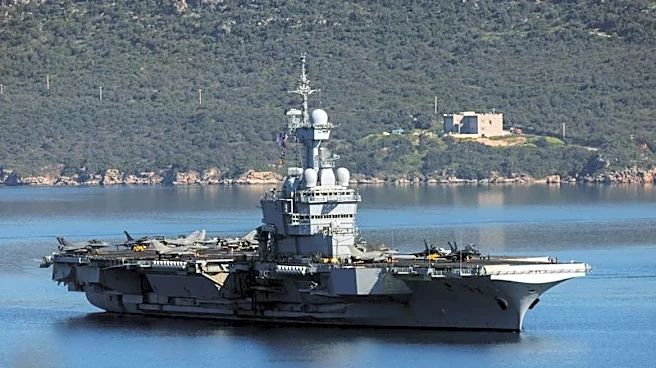
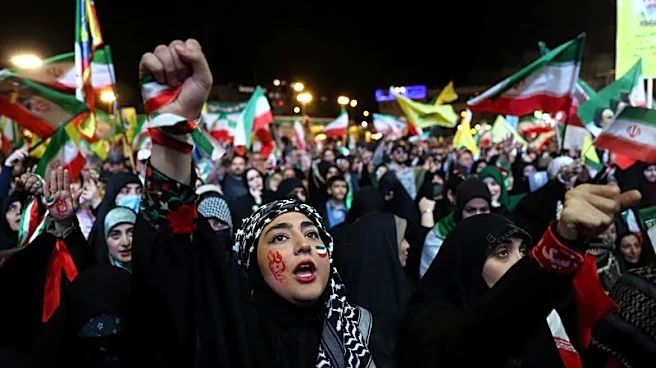
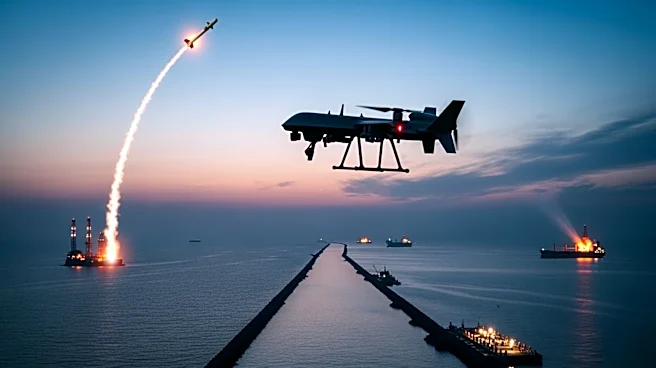
A CIA report has concluded that Tehran can withstand a naval blockade for four more months, despite ongoing conflicts in the Strait of Hormuz. The U.S. campaign to pressure Iran, including bombing efforts, has not led to Iran's capitulation. Recent clashes
have occurred in the Strait, with Iran attacking the UAE and other Gulf States hosting U.S. military bases. The conflict has strained a ceasefire established in April, with Iran accusing the U.S. of breaching it. The U.S. awaits Tehran's response to a plan to officially end the conflict, while sporadic clashes continue.
Why It's Important?
The CIA's assessment of Tehran's resilience highlights the challenges faced by the U.S. in its efforts to resolve the conflict with Iran. The ongoing tensions in the Strait of Hormuz, a critical waterway for global oil supplies, have significant implications for international energy markets and geopolitical stability. The conflict's persistence despite diplomatic efforts underscores the complexity of U.S.-Iran relations and the potential for further escalation. The situation also affects U.S. foreign policy and military strategy in the Middle East, with implications for regional allies and global security.
What's Next?
The U.S. is likely to continue diplomatic efforts to resolve the conflict, while preparing for potential further escalations. Tehran's response to the U.S. plan to end the conflict will be crucial in determining the next steps. The international community, including U.S. allies, may play a role in mediating and supporting efforts to stabilize the region. The ongoing situation may also prompt discussions on energy security and the need for alternative strategies to ensure the safe passage of oil through the Strait of Hormuz.