






What's Happening?
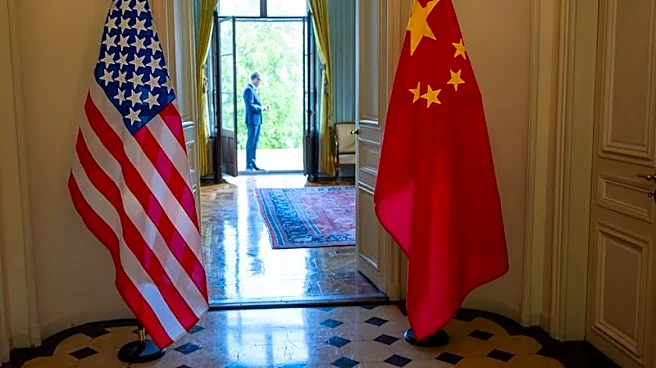
The U.S. is being urged to adopt a more proactive approach in the global AI race, particularly in response to China's expanding influence. Chinese companies, such as Huawei, are aggressively marketing a comprehensive AI package that includes hardware,
cloud services, and financing, making it attractive to many countries. The U.S. has traditionally focused on restricting advanced technology exports to China, but this strategy is proving insufficient. The Biden administration's export ban on Nvidia chips has inadvertently strengthened Huawei's market position. The U.S. needs to shift from a defensive stance to a more assertive strategy, promoting full-stack AI solutions to allies and ensuring American companies remain competitive globally.
Why It's Important?
The global AI race has significant implications for technological leadership and economic power. China's ability to offer a complete AI ecosystem poses a challenge to U.S. influence in emerging markets. If the U.S. fails to compete effectively, it risks losing technological and economic ground to China. This could impact national security, economic growth, and the global balance of power. By promoting American AI solutions and fostering international partnerships, the U.S. can strengthen its position and ensure its technological standards and values are upheld worldwide.
What's Next?
To enhance its AI strategy, the U.S. could take several steps. The Export-Import Bank should prioritize AI infrastructure deals, while the Commerce Department could streamline export licensing for trusted partners. Additionally, the U.S. International Development Finance Corporation could launch AI infrastructure investments. These actions would require execution rather than new legislation, emphasizing the need for urgency and scale in the U.S. response to China's AI advancements.