




What's Happening?
California is currently experiencing a significant marine heat wave, which is expected to persist and intensify, affecting both land and sea conditions. This phenomenon, driven by a high-pressure area and potentially influenced by El Niño, has led to record-setting
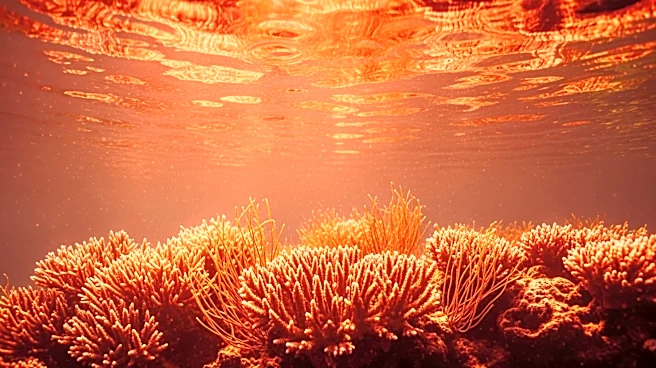
ocean temperatures along the California coast. The heat wave is causing warm water species to migrate into new areas and cold-water species to move deeper and further north. This shift is already impacting the marine food web, with seabirds like Brown Pelicans and Brandt’s Cormorants struggling to find food, leading to increased mortality rates. The heat wave is also altering weather patterns on the West Coast, making extreme heatwaves more likely and potentially increasing the risk of tropical systems reaching California.
Why It's Important?
The marine heat wave poses significant ecological and economic challenges. It threatens marine biodiversity by disrupting the food chain, which could have cascading effects on fisheries and local economies dependent on marine resources. The altered weather patterns could lead to more frequent and intense heatwaves on land, affecting agriculture, water resources, and public health. Additionally, the potential for tropical storms to reach California could result in increased infrastructure damage and economic losses. The situation underscores the broader impacts of climate change, highlighting the need for adaptive strategies to mitigate these effects.
What's Next?
Scientists are closely monitoring the situation, with projections indicating that the marine heat wave could persist into the fall and winter months. This prolonged period of elevated temperatures may exacerbate existing ecological and economic challenges. Stakeholders, including environmental agencies and local governments, may need to implement measures to protect vulnerable species and prepare for potential weather-related disruptions. The situation also calls for increased public awareness and policy action to address the underlying causes of climate change and its impacts.
Beyond the Headlines
The marine heat wave highlights the complex interplay between atmospheric conditions and oceanic ecosystems. It raises ethical and environmental questions about human responsibility in exacerbating climate change and the need for sustainable practices. The event could serve as a catalyst for increased research and investment in climate resilience and adaptation strategies, emphasizing the importance of global cooperation in addressing environmental challenges.