


What's Happening?
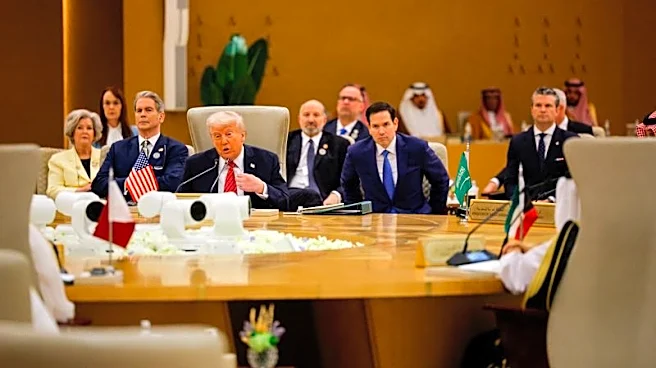
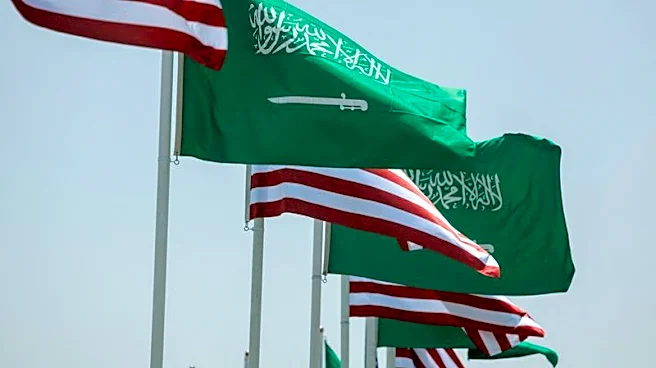
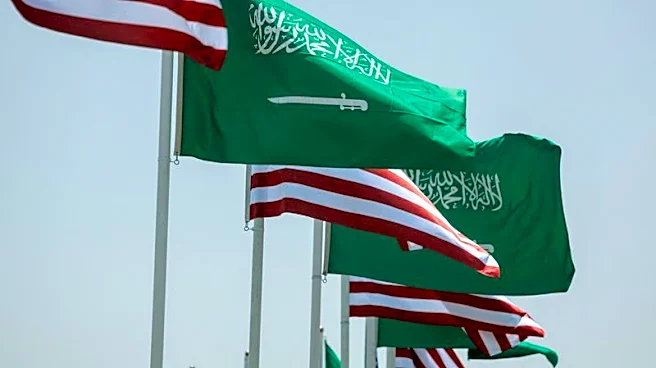
Nonproliferation experts are expressing concern over a proposed nuclear deal between the Trump administration and Saudi Arabia. According to a report by Reuters, the deal would allow the U.S. to share nuclear power technology with Saudi Arabia without
implementing strict safeguards to prevent the development of nuclear weapons. The agreement reportedly lacks the 'Gold Standard' provisions that would prohibit Saudi Arabia from enriching uranium and reprocessing spent nuclear fuel, both of which are pathways to nuclear weapons. Experts like Kelsey Davenport from the Arms Control Association and Andrea Stricker from the Foundation for Defense of Democracies have criticized the deal, warning it could set a dangerous precedent and encourage other countries in the region to pursue nuclear weapons. They urge Congress to disapprove the deal to maintain nonproliferation standards.
Why It's Important?
The proposed deal has significant implications for global nuclear nonproliferation efforts. By potentially allowing Saudi Arabia to develop nuclear capabilities, it could destabilize the Middle East and lead to a regional arms race. The lack of stringent safeguards undermines decades of U.S. policy aimed at preventing the spread of nuclear weapons. If Congress approves the deal, it could weaken international nonproliferation norms and encourage other countries to seek similar agreements, thereby increasing the risk of nuclear proliferation. The deal also raises concerns about the U.S.'s commitment to nonproliferation, as it appears to prioritize strategic alliances over global security.
What's Next?
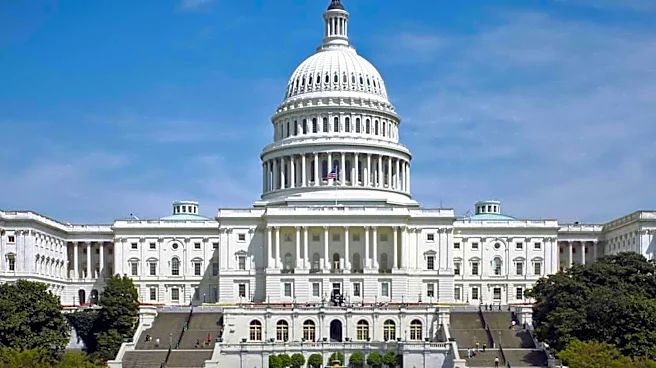
Congress is expected to review the proposed deal, and its decision will be crucial in determining the future of U.S.-Saudi nuclear cooperation. If Congress disapproves the deal, it could halt the transfer of nuclear technology to Saudi Arabia. However, if the deal is approved, it may face challenges from nonproliferation advocates and could be subject to reversal by future administrations. The international community will be closely watching the U.S.'s actions, as they could influence global nonproliferation policies and the behavior of other nations considering nuclear development.