


What's Happening?
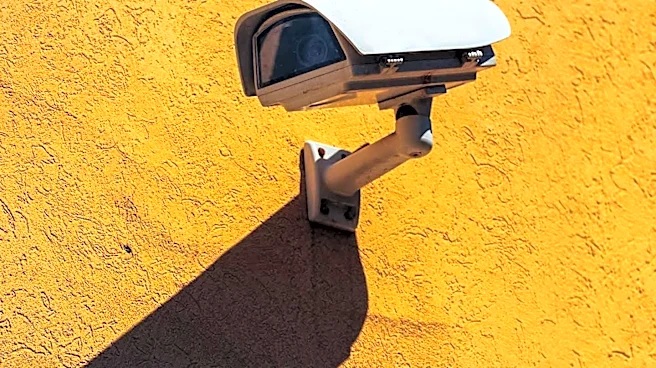
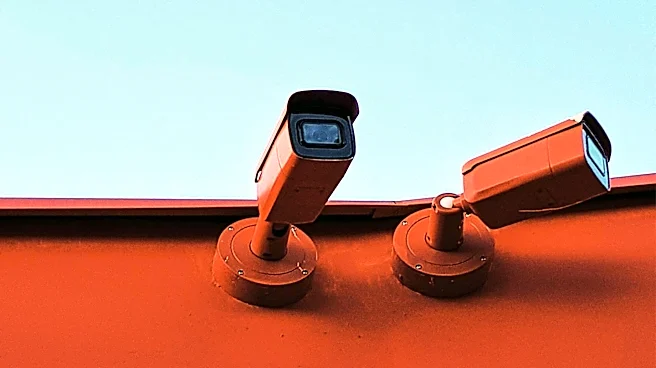
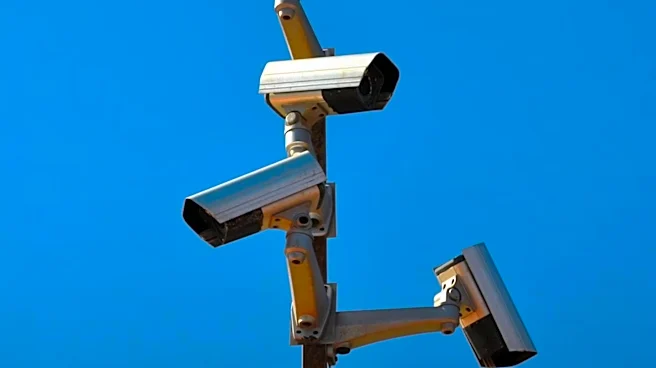
Some Republican lawmakers are opposing the widespread use of Flock Safety cameras and other automated license plate reader (ALPR) systems, citing concerns over privacy and potential violations of Fourth Amendment rights. The technology, which has been
adopted by numerous police departments across the U.S., is seen by critics as a form of mass surveillance. Key figures in this opposition include Representative Tim Burchett of Tennessee and Representative Thomas Massie of Kentucky, who have introduced federal legislation to limit the deployment and funding of these systems. The debate centers around the balance between public safety and individual privacy, with supporters of the technology arguing that it is an essential tool for law enforcement.
Why It's Important?
The controversy over Flock cameras highlights a significant debate about privacy and surveillance in the U.S. The outcome of this debate could have far-reaching implications for how law enforcement agencies use technology to monitor public spaces. If the opposition succeeds, it could lead to stricter regulations on surveillance technologies, potentially affecting crime-fighting capabilities. Conversely, if the technology continues to expand without additional safeguards, it could set a precedent for increased government surveillance, raising concerns among privacy advocates and civil liberties groups.
What's Next?
The legislative efforts by Burchett and Massie are currently awaiting further action in Congress. As the debate continues, it is likely to intensify, with potential implications for federal funding and the future of surveillance technology in the U.S. The outcome could influence similar debates in other jurisdictions and shape the national conversation on privacy and security.