








What's Happening?
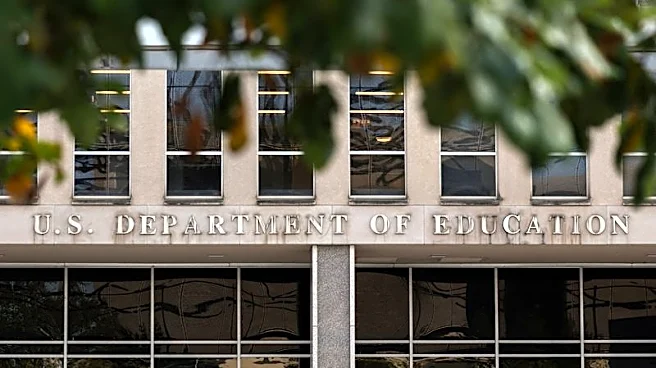
The Trump administration has implemented significant changes to the federal student loan system, effective July 1. These changes include the introduction of new repayment plans and stricter borrowing caps for graduate students and parents. The Department
of Education has rolled out the Repayment Assistance Plan (RAP) and a tiered standard repayment plan, which calculate monthly payments based on a borrower's income and extend repayment terms. Additionally, the administration has eliminated the SAVE plan, requiring borrowers to transition to new plans within 90 days. New borrowing caps have been set, limiting graduate students to a $100,000 lifetime cap and professional students to $200,000. Parents borrowing for their children face a $20,000 annual cap and a $65,000 total cap. These changes aim to address issues such as high tuition costs and complex repayment options.
Why It's Important?
The overhaul of the student loan system under the Trump administration is poised to have a significant impact on millions of borrowers. The introduction of new repayment plans and borrowing caps could lead to increased monthly payments for many, potentially causing financial strain. The changes are intended to simplify the repayment process and address the rising costs of higher education. However, the elimination of the SAVE plan and the imposition of borrowing limits may push some borrowers towards private lending, which lacks federal protections. The administration's actions reflect a broader effort to reshape federal student lending policies, which could influence future educational and financial planning for students and families.
What's Next?
As the new policies take effect, borrowers will need to navigate the transition to new repayment plans. The Department of Education has paused collections for borrowers in default, but it remains unclear when this pause will end. Legal challenges to the new borrowing caps and definitions of public service work could further complicate the implementation of these changes. Additionally, private lenders may see an increase in demand as borrowers seek alternatives to federal loans. The ongoing litigation and potential adjustments to the policies will be closely watched by stakeholders, including lawmakers, educational institutions, and advocacy groups.