
What's Happening?
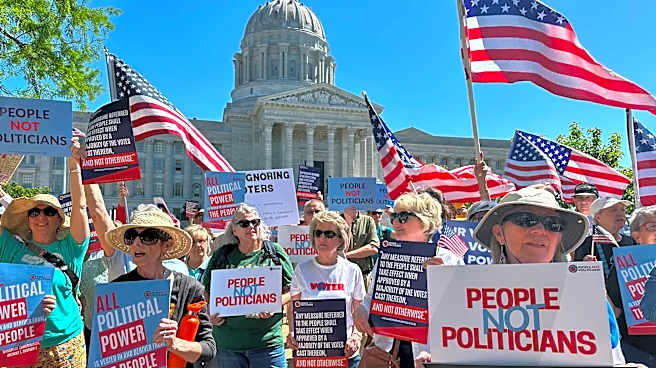
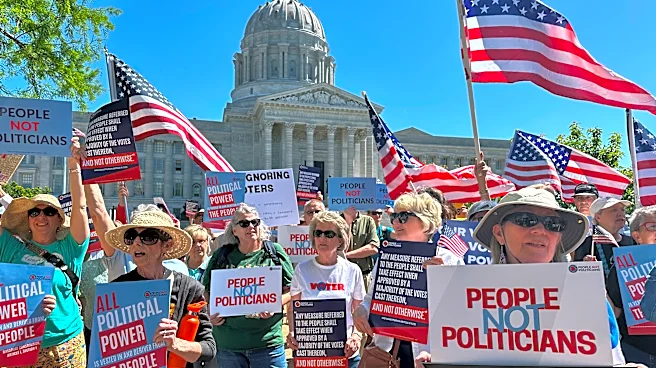
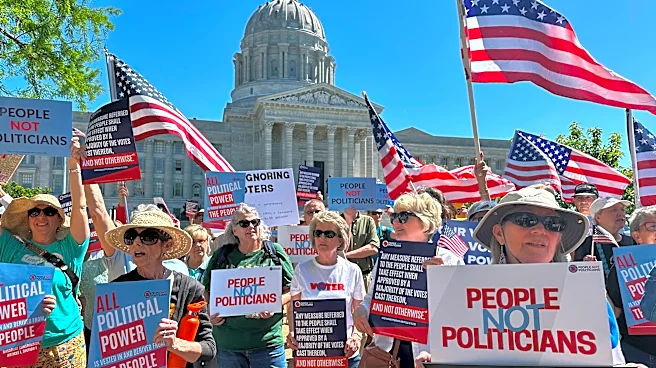
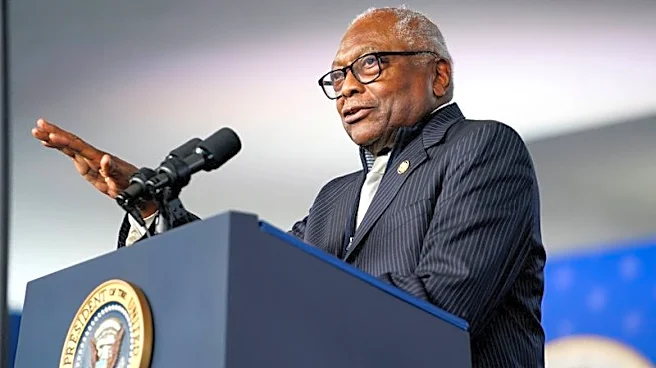
The ongoing gerrymandering battles in the United States have seen Republicans gaining a significant advantage, potentially affecting the control of Congress. Despite President Trump's unpopularity and polling
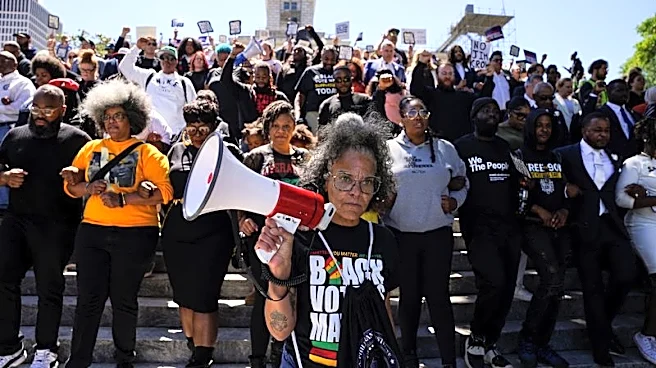
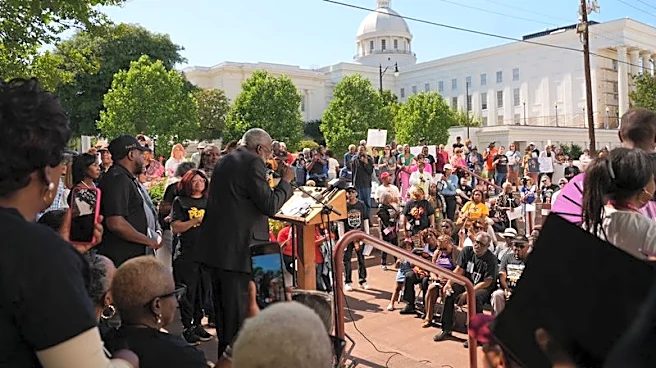
favoring Democrats, Republicans are poised to maintain their narrow House majority due to strategic redistricting efforts. This development follows recent court decisions that have favored Republican redistricting plans, particularly in Southern states like Tennessee and Alabama, where new maps are being drawn to dilute minority voting power. Democrats have attempted to counter these moves with their own gerrymandering efforts in states like California and Virginia, but recent legal setbacks have hindered their progress.
Why It's Important?
The implications of these gerrymandering efforts are profound, as they could solidify Republican control of the House despite broader public support for Democrats. This situation underscores the power of redistricting in shaping electoral outcomes and highlights the challenges Democrats face in countering Republican strategies. The ability to redraw district lines can significantly influence political representation, potentially skewing the democratic process. As Republicans continue to leverage gerrymandering, the political landscape may become increasingly polarized, with fewer competitive districts and more entrenched partisan divides.
What's Next?
Looking ahead, Democrats are strategizing for the 2028 elections, aiming to implement aggressive gerrymandering in states they control. This approach marks a shift from previous Democratic strategies that favored nonpartisan redistricting commissions. However, the success of these efforts will depend on overcoming legal and political obstacles. Meanwhile, the Supreme Court's recent decisions have emboldened Republican lawmakers to pursue more aggressive redistricting tactics, potentially leading to further legal challenges and political confrontations. The ongoing gerrymandering wars are likely to continue shaping the U.S. political landscape for years to come.