



What's Happening?
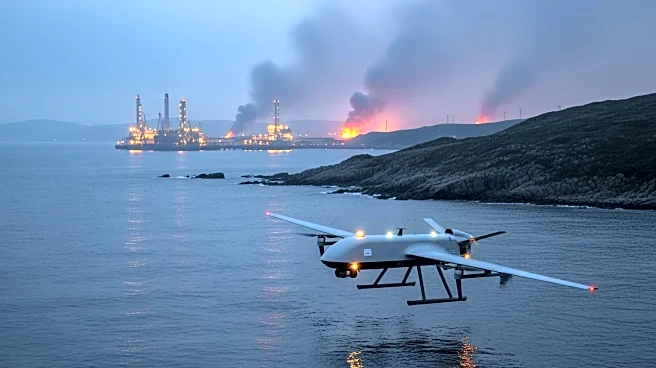
European foreign ministers visited Ukraine to commemorate the fourth anniversary of the Bucha atrocities, while Ukraine continues its drone strikes on Russian oil facilities. The strikes aim to disrupt Russia's oil exports, which finance its war efforts.
Ukrainian President Volodymyr Zelensky plans to hold talks with American negotiators and NATO officials to discuss ending Russia's invasion. Despite ongoing discussions, no breakthroughs have been achieved. The European Union is focused on holding Russia accountable for its actions in Ukraine.
Why It's Important?
The visit by European ministers underscores the international community's commitment to supporting Ukraine and holding Russia accountable for its actions. The drone strikes on Russian oil ports highlight Ukraine's strategic efforts to weaken Russia's economic capabilities, potentially affecting global oil prices and supply chains. The involvement of European and American officials in discussions about ending the conflict indicates a continued diplomatic effort to resolve the situation, which could have significant implications for regional stability and international relations.
What's Next?
Ukraine is likely to continue its drone operations against Russian targets, while diplomatic efforts to end the conflict persist. The European Union may increase its support for Ukraine, potentially leading to new sanctions against Russia. The ongoing conflict could prompt further international involvement, with countries reassessing their foreign policies and defense strategies in response to the evolving situation.
Beyond the Headlines
The anniversary of the Bucha atrocities serves as a reminder of the human cost of the conflict and the importance of accountability for war crimes. The ethical considerations of drone warfare, including civilian impact and the potential for escalation, remain critical issues. The long-term effects on international law and human rights could shape future policies and agreements.