






What's Happening?
The United States is experiencing a significant increase in H5N1 avian flu activity, with 20 new outbreaks confirmed in the past 30 days across commercial and backyard flocks, affecting a total of 560,000 birds. Minnesota has been particularly impacted,
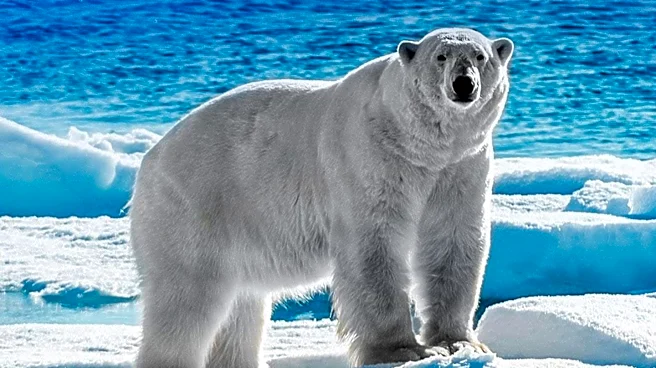
reporting six of these outbreaks, including two commercial turkey facilities in Stearns County that sickened 51,500 birds. The largest single outbreak occurred in Barron County, Wisconsin, involving 79,100 birds at a commercial turkey operation. Beyond poultry, Minnesota has also recorded at least 40 H5N1 detections in wild birds, such as mallards, Canada geese, and bald eagles, primarily within the Minneapolis-St. Paul metropolitan area. In a concerning development, a recent report in Science Direct confirmed the presence of highly pathogenic H5 avian influenza (HPAIV) clade 2.3.4.4b viruses in three dead polar bears in Alaska during 2023 and 2024, indicating a potential emerging threat to the species in the Arctic.
Why It's Important?
The escalating H5N1 avian flu outbreaks pose substantial economic and ecological threats. For the U.S. poultry industry, these outbreaks lead to significant financial losses due to bird culling, trade restrictions, and disruptions in the supply chain. Commercial farms, particularly turkey operations, are facing direct impacts, which could result in higher consumer prices for poultry products. The widespread detection in wild birds suggests a persistent environmental reservoir for the virus, making containment more challenging and increasing the risk of spillover events to other species. The discovery of H5N1 in Alaskan polar bears highlights a critical concern for wildlife conservation, as it indicates the virus's ability to cross species barriers and affect apex predators. While population immunity might offer some protection, the long-term health implications for polar bear populations, already vulnerable due to climate change, could be severe, potentially impacting Arctic ecosystems and biodiversity.
What's Next?
Authorities, including the US Department of Agriculture (USDA) Animal and Plant Health Inspection Service (APHIS), will likely continue to monitor and implement control measures to contain the spread of H5N1 in poultry and wild bird populations. This includes surveillance, depopulation of infected flocks, and biosecurity enhancements on farms. Research will continue into the transmission dynamics of the virus, especially concerning its spread to wild mammals like polar bears, to better understand the risks and develop mitigation strategies. Public health officials will also remain vigilant for any signs of human transmission, although human infections with avian influenza viruses remain rare. The ongoing outbreaks may prompt further discussions on international trade policies related to poultry and avian products, as countries seek to prevent the introduction of the virus while minimizing trade disruptions.
Beyond the Headlines
The detection of H5N1 in polar bears underscores the interconnectedness of animal and environmental health, a concept known as 'One Health.' This event highlights how zoonotic diseases, traditionally associated with poultry or livestock, can have far-reaching ecological consequences, impacting wildlife in remote and pristine environments. The virus's presence in polar bears raises questions about the pathways of transmission in the Arctic, potentially involving scavenging on infected birds or marine mammals. This could signal a broader ecological shift where avian influenza becomes a more significant threat to diverse wildlife populations, especially those already stressed by environmental changes. The long-term implications for biodiversity and ecosystem stability in the Arctic are a growing concern, emphasizing the need for comprehensive surveillance and interdisciplinary approaches to address emerging infectious diseases.