





What's Happening?
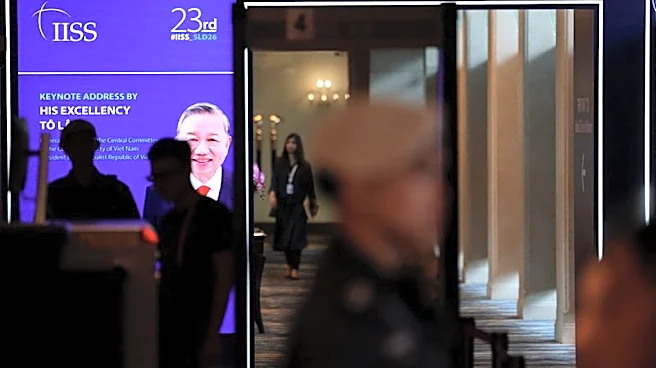
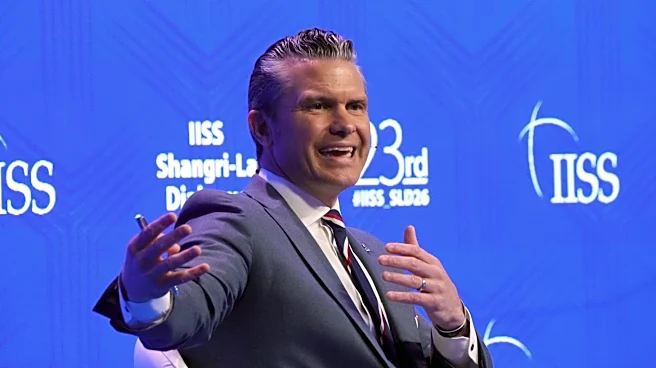
At the Shangri-La Dialogue in Singapore, American allies emphasized the importance of unity in addressing global security threats. Japanese Defense Minister Shinjiro Koizumi highlighted the need for strong coalitions, warning that division weakens deterrence.
The conference comes amid criticism from the Trump administration towards NATO allies for insufficient defense spending. Despite this, Japan and other allies stress the importance of cooperation, especially as China expands its military capabilities. The Philippines and Japan remain critical of China's actions, despite a softer U.S. approach following President Trump's recent visit to Beijing. The conference underscored the interconnected nature of global security, with calls for a rules-based international order.
Why It's Important?
The call for unity among American allies highlights the shifting dynamics in global security, where regional threats increasingly have global implications. The emphasis on cooperation reflects concerns over the potential for geopolitical instability if alliances weaken. The Trump administration's criticism of NATO allies underscores ongoing tensions within traditional alliances, which could impact collective security efforts. As China continues to expand its military influence, the need for a coordinated response becomes more pressing. The discussions at the conference reflect broader concerns about maintaining a rules-based international order in the face of rising authoritarianism and regional conflicts.
What's Next?
The future of global security cooperation will likely hinge on the ability of allies to bridge differences and strengthen alliances. The U.S. may need to balance its criticism of NATO with efforts to foster collaboration in addressing shared threats. The evolving relationship between the U.S. and China will also play a critical role in shaping global security dynamics. Allies will need to navigate these complexities while reinforcing commitments to a rules-based order. The outcomes of these diplomatic efforts could influence future defense policies and international relations, with potential implications for global stability.