








What's Happening?
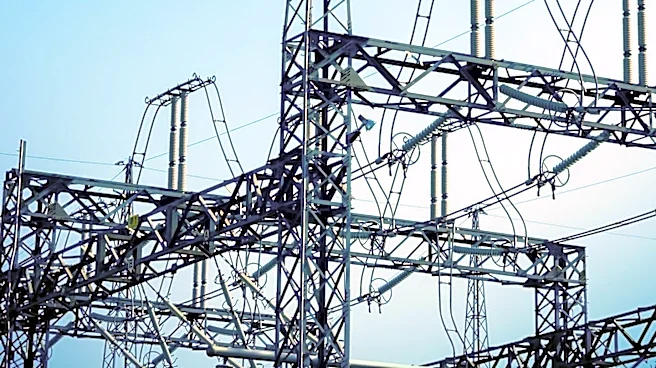
Electricity bills for U.S. households and businesses are increasing, largely due to the high costs associated with managing substantial and often speculative demand for data center connections. PJM Interconnection, which operates the largest electricity
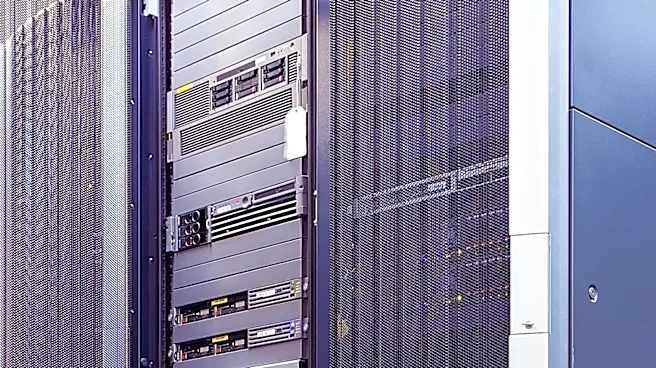
grid in the U.S., has reported a $29.4 billion increase in capacity costs across approximately four auctions. These costs are ultimately passed on to consumers. The issue stems from what is termed 'ghost demand,' where data center developers submit numerous requests for grid connections across multiple potential sites, often without a firm commitment to build all of them. This practice allows developers to secure a place in the queue at little cost, leading to an inflated perception of future electricity demand. For instance, Texas has 474 gigawatts of data center requests, more than five times the state’s record peak demand, with a significant portion unlikely to materialize. This speculative demand makes it challenging for grid operators to accurately plan and invest in necessary infrastructure, creating a dilemma between under-building and risking grid instability or overbuilding and burdening consumers with unnecessary costs.
Why It's Important?
The phenomenon of 'ghost demand' for data center connections has significant implications for the U.S. energy sector and consumers. The inflated demand figures force grid operators to plan for capacity that may never be fully utilized, leading to substantial increases in capacity costs. These costs are then absorbed into electricity bills, directly impacting the financial well-being of households and the operational expenses of businesses. The uncertainty surrounding actual demand also creates inefficiencies in infrastructure development, potentially diverting resources from other critical grid upgrades or renewable energy projects. Furthermore, the current incentive structure, where speculative connection requests are inexpensive to file, encourages this behavior, exacerbating the problem. This situation highlights a systemic challenge in balancing the rapid growth of the digital economy with the need for stable, affordable, and efficiently managed energy grids. The lack of transparency regarding the seriousness of proposed projects makes it difficult for grid operators to make informed investment decisions, ultimately affecting the reliability and cost-effectiveness of electricity supply across the nation.
What's Next?
States and grid operators are beginning to implement new measures to address the issue of 'ghost demand.' Texas, for example, has initiated an audit to scrutinize data center projects, focusing on ownership, tax incentives, water usage, and power generation plans. Pennsylvania's Governor Josh Shapiro signed an executive order requiring stricter permitting for projects above 25 megawatts and more information on end-users. These new rules aim to compel developers to provide more concrete evidence of their projects' viability, thereby distinguishing serious proposals from speculative ones. The experience of utilities like Exelon and AEP Ohio, which saw significant reductions in their data center demand pipelines after introducing stricter collateral requirements and study fees, suggests that making applications more expensive can effectively filter out non-serious projects. The goal is to create a more structured and transparent process for grid connections, ensuring that infrastructure investments align with actual, rather than speculative, demand. This shift is expected to lead to more accurate grid planning, potentially stabilizing electricity costs and improving grid reliability in the long term.
Beyond the Headlines
The 'ghost demand' issue extends beyond immediate financial impacts, touching upon broader ethical and economic considerations within the energy and technology sectors. The current system incentivizes developers to prioritize queue position over genuine project readiness, creating an uneven playing field and potentially stifling legitimate, ready-to-build projects. This raises questions about market fairness and the efficient allocation of resources. The problem also underscores the need for regulatory innovation to keep pace with rapid technological advancements and evolving energy demands. The reliance on speculative requests can lead to a misallocation of capital, where investments are made in anticipation of demand that never materializes, rather than in projects that would genuinely benefit the grid and consumers. Addressing this requires a re-evaluation of the connection process, potentially involving higher upfront costs for speculative applications, more stringent evidence requirements, and greater collaboration between developers and grid operators to foster transparency and accountability. The long-term implications include the potential for delayed grid modernization, increased energy insecurity, and a widening gap between energy supply and demand if not effectively managed.