



What's Happening?
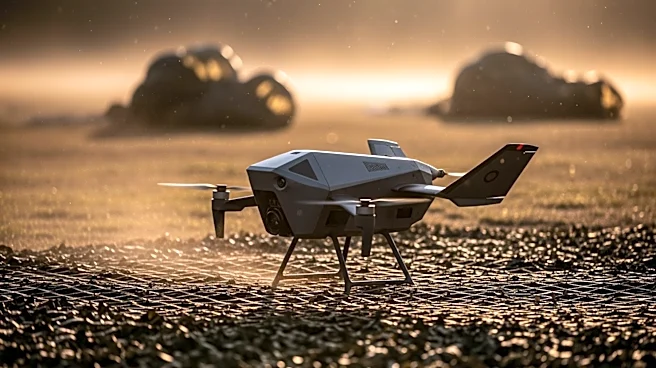
During the Balikatan 2026 exercise in the Philippines, the U.S. Army tested new technologies, including drones and 3D printing. The exercise involved over 17,000 troops from seven countries. The 3rd Mobile Brigade of the 25th Infantry Division, based
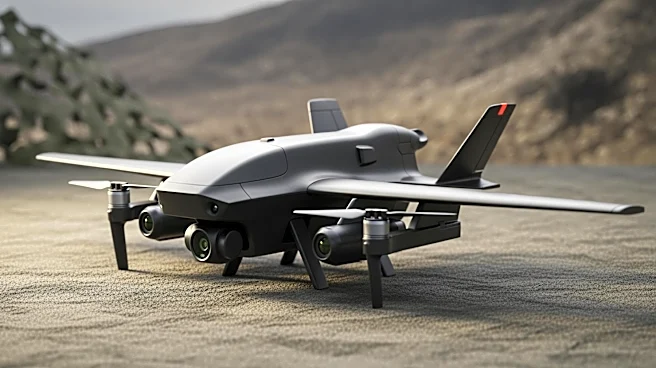
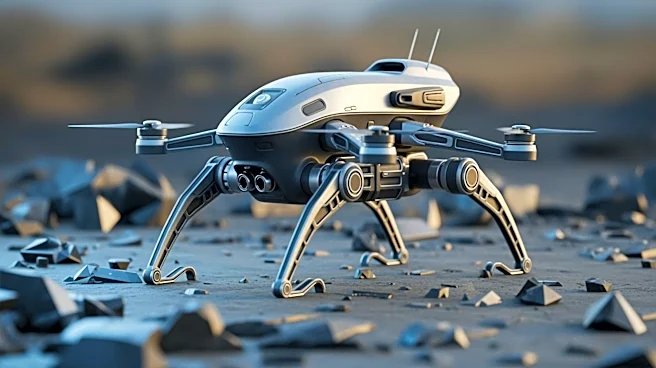
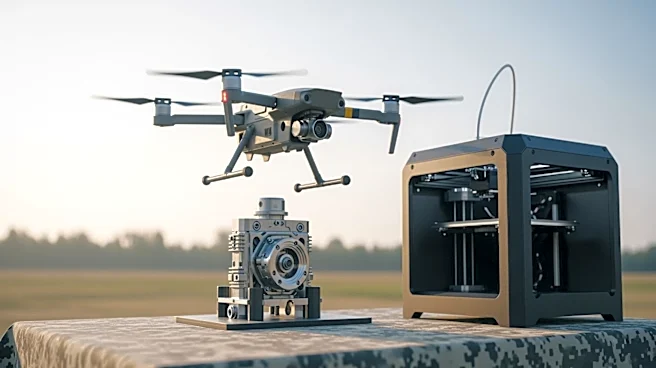
in Hawaii, participated in the drills, which included the use of Kestrel FPV drones for reconnaissance and attack missions. The Army's Forge initiative, equipped with 3D printers, provided rapid solutions for equipment repairs, significantly reducing wait times for spare parts.
Why It's Important?
The integration of advanced technologies like drones and 3D printing in military exercises demonstrates the U.S. Army's commitment to modernization and innovation. These technologies enhance operational capabilities, allowing for rapid adaptation to changing battlefield conditions. The use of 3D printing for on-site repairs reduces logistical challenges and costs, improving efficiency and readiness. This approach aligns with the broader military strategy of leveraging technology to maintain a competitive edge in global security environments.
What's Next?
The U.S. Army will likely continue to expand its use of drones and 3D printing in training and operational contexts. The success of these technologies in exercises like Balikatan could lead to their broader adoption across the military. The Army may also explore additional applications for 3D printing, such as producing customized equipment and components. As these technologies evolve, they could play a critical role in future military operations, particularly in remote or resource-constrained environments.