

What's Happening?
Gulf nations have taken a prominent role at the United Nations in addressing Iranian influence, marking a shift from previous behind-the-scenes cooperation to open assertiveness. Israeli UN Ambassador Danny Danon highlighted the Gulf countries' recent
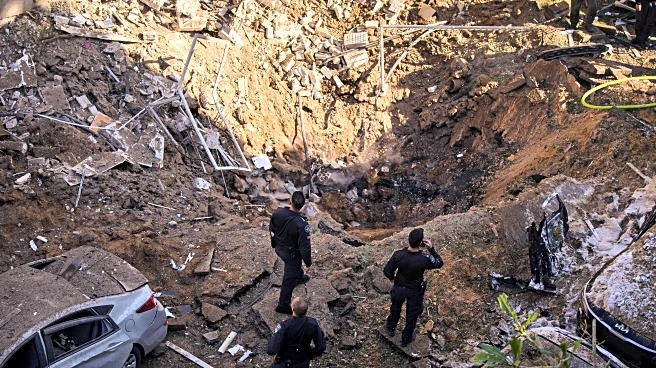
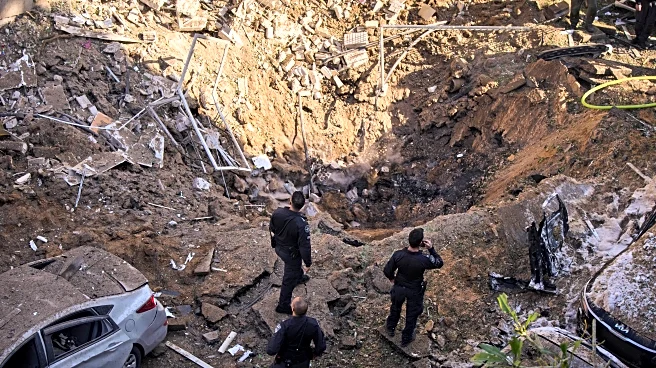
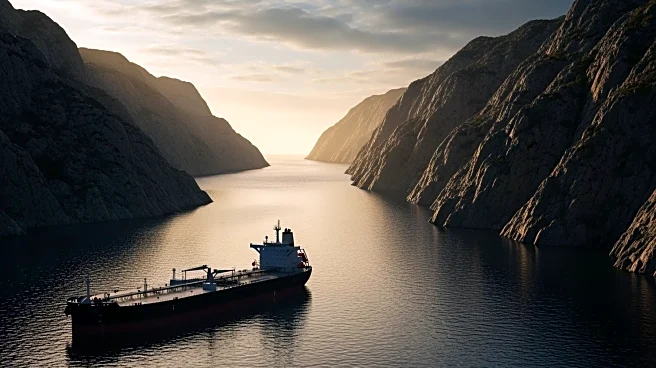
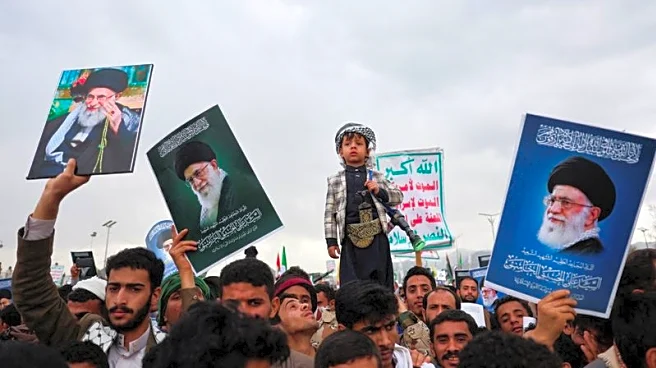
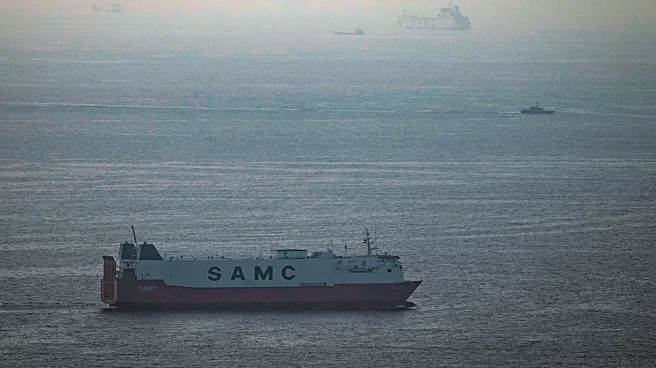
Security Council resolution condemning Iranian attacks and advocating for maritime freedom in the Straits of Hormuz. This resolution, led by Bahrain, threatens the use of force if Iran does not comply. Danon criticized European countries, particularly France, for attempting to soften these proposals, which he claims benefits Iran. The Gulf states have united against Iran, setting aside regional rivalries to address the common threat. Danon emphasized the importance of Israel's diplomatic efforts to alert the world to Iran's capabilities, presenting intelligence on Tehran's missile arsenal.
Why It's Important?
The Gulf states' assertive stance at the UN represents a significant geopolitical shift, potentially altering the balance of power in the Middle East. Their unified approach against Iran could lead to increased pressure on Tehran and influence international policy decisions. The weakening European stance, as noted by Danon, may affect diplomatic relations and the effectiveness of international efforts to curb Iranian influence. This development highlights the growing importance of regional alliances in addressing global security issues, with implications for U.S. foreign policy and its role in the Middle East.
What's Next?
The Gulf states' actions at the UN may lead to further resolutions and diplomatic initiatives aimed at countering Iranian influence. The situation could prompt discussions among European countries about their approach to Iran and the potential need for a more unified stance. The evolving dynamics may also impact U.S. foreign policy, as it navigates its relationships with both Gulf nations and European allies. Additionally, the increased focus on Iran's capabilities could lead to heightened security measures and military preparedness in the region.
Beyond the Headlines
The Gulf states' leadership at the UN reflects broader regional shifts, with implications for international diplomacy and security strategies. This development raises questions about the role of regional powers in shaping global policy and the potential for new alliances to emerge. The situation also highlights the complexities of balancing national interests with international cooperation, as countries navigate their relationships with Iran and other global actors. Long-term, this shift could influence the geopolitical landscape and the strategies employed by nations to address security threats.