






What's Happening?
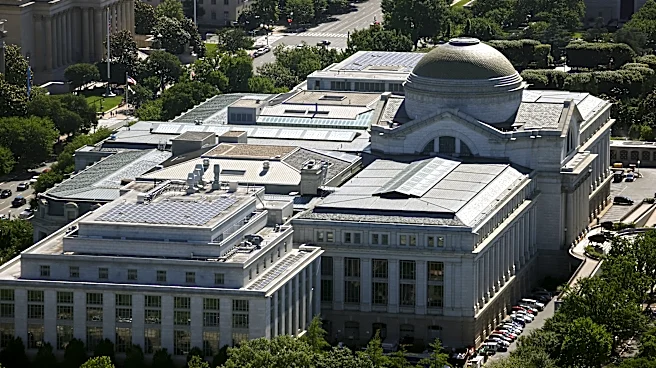
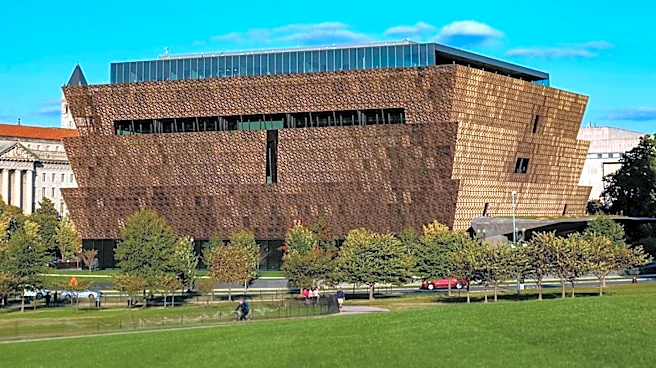
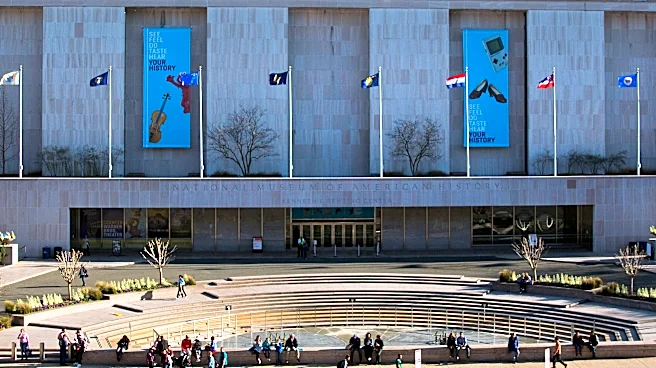
The Trump administration has accused the Smithsonian's National Museum of American History of 'extreme political activism' in its portrayal of U.S. history. This accusation was made public during the Independence Day weekend, highlighting a disagreement
over the museum's representation of historical events and figures, particularly the Founding Fathers. The administration's report suggests that the museum should present a more unified and simplified version of American history, focusing on a consensus view that emphasizes positive aspects of the Founding Fathers. Sarah Weicksel, executive director of the American Historical Association, commented on the situation, noting that the administration's expectations align with its broader historical narrative preferences. She emphasized that American history is complex and that the museum's role is to present this complexity through its exhibits, which include artifacts and documents that tell diverse national stories.
Why It's Important?
This development is significant as it underscores ongoing tensions between the Trump administration and cultural institutions over historical narratives. The administration's push for a simplified and positive portrayal of American history reflects broader political efforts to influence public perception and education. The Smithsonian's resistance to altering its exhibits highlights the importance of maintaining academic and historical integrity in cultural institutions. This conflict may impact how history is taught and understood in the U.S., potentially affecting educational policies and public discourse. The Smithsonian's commitment to presenting a nuanced view of history is crucial for fostering informed and critical engagement with the past.
What's Next?
The Smithsonian Institution, under the leadership of Lonnie Bunch, the first African American head of the organization, is likely to continue defending its approach to historical interpretation. The museum's commitment to independence and comprehensive storytelling may lead to further scrutiny and pressure from political entities. As the debate over historical narratives continues, other cultural and educational institutions may face similar challenges. The outcome of this situation could influence future interactions between government bodies and cultural organizations, potentially setting precedents for how historical content is curated and presented to the public.