






What's Happening?
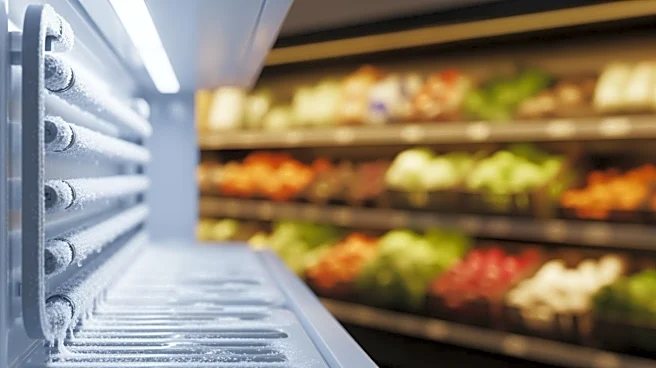
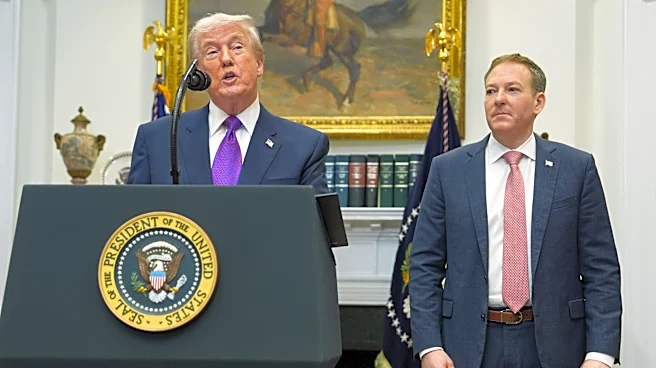
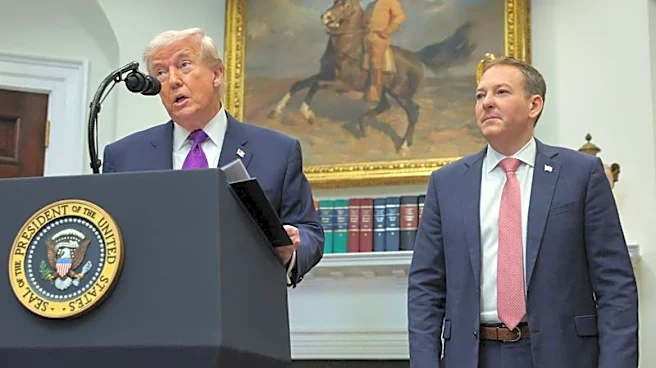
The Trump administration has recently rolled back two Biden-era Environmental Protection Agency (EPA) rules concerning refrigerants, with the intention of reducing grocery costs for consumers. The changes involve delaying deadlines for grocers and other
companies to phase out the use of hydrofluorocarbons, which are climate-damaging refrigerants used in refrigeration systems. The White House estimates that this move could result in $900 million in savings, including $800 million from reduced grocery costs. Additionally, the EPA has amended a 2024 program to exempt road refrigerant appliances from new leak requirements, potentially saving $1.5 billion. Despite these projected savings, experts suggest that the rollback is unlikely to lead to significant reductions in grocery prices for consumers.
Why It's Important?
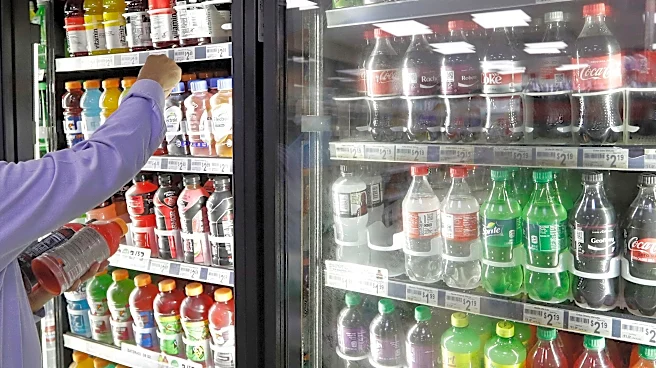
The rollback of refrigerant rules is significant as it highlights the ongoing debate between environmental regulations and economic impacts. While the administration claims that the changes will alleviate financial burdens on businesses and consumers, experts argue that the savings may not translate into noticeable price reductions for shoppers. The rollback avoids future costs for grocers who have not yet upgraded their equipment, but it does not address current price pressures from energy, labor, and transportation costs. This development underscores the complexity of balancing environmental policies with economic considerations, particularly in industries like food and grocery where cost structures are influenced by multiple factors.
What's Next?
Moving forward, it remains to be seen how grocery companies will respond to the regulatory changes. While some executives, like Kroger CEO Greg Foran, have indicated a willingness to pass savings onto consumers, no binding commitments have been made. The Food Industry Association has expressed support for the rollback, suggesting it will prevent cost increases. However, the actual impact on grocery prices will depend on how businesses choose to implement the savings and whether other economic pressures continue to drive costs upward. Stakeholders will likely monitor the situation closely to assess the real-world effects of the policy changes.