






What's Happening?
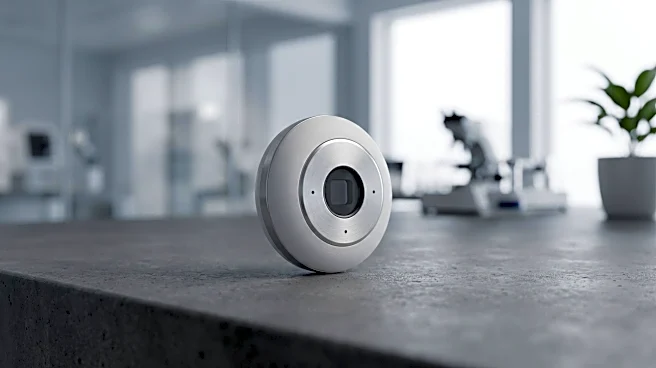
Innovations in maternal healthcare are significantly improving outcomes for women and infants, with wearable technology emerging as a key solution. These devices track vital signs and physical activities, providing real-time data to healthcare providers
during pregnancy. This continuous monitoring allows for timely interventions if problems arise, enhancing the safety and well-being of both mother and baby. Beyond vital signs, some wearables can monitor stress levels and even contractions. This technological advancement is part of a broader trend in maternal health that also includes telehealth services, personalized medicine, and comprehensive mental health support, all aimed at increasing accessibility and individualizing care. The integration of such technology empowers pregnant women with knowledge about their bodies and enables healthcare providers to make informed decisions based on accurate data.
Why It's Important?
The integration of wearable technology into maternal healthcare is crucial for several reasons. It addresses the critical need for continuous oversight during pregnancy, a period where timely intervention can be life-saving. For women in remote or underserved areas, where access to healthcare facilities may be limited, these devices can bridge geographical gaps by providing essential data remotely. This real-time data collection shifts healthcare from reactive to proactive, potentially reducing complications and improving birth outcomes. Furthermore, by empowering pregnant women with insights into their own health, it fosters a more engaged and informed patient population. The data-driven approach also allows healthcare systems to optimize resource allocation and develop more effective care strategies, ultimately leading to a healthier start for new families across the U.S.
What's Next?
The future of maternal healthcare will likely see further integration and sophistication of wearable technologies. As these devices become more advanced, they are expected to offer even more comprehensive monitoring capabilities, potentially including predictive analytics to identify potential risks before they become critical. There will be a continued focus on making these technologies more accessible and user-friendly for all expectant mothers, regardless of their socioeconomic status or location. Collaboration between technology developers, healthcare providers, and academic researchers will be key to refining these tools and ensuring they meet the evolving needs of maternal health. Additionally, regulatory frameworks will need to adapt to ensure data privacy and security, while also facilitating the rapid adoption of beneficial innovations into standard care practices.
Beyond the Headlines
The rise of wearable technology in maternal health care extends beyond immediate health benefits, touching upon ethical and societal implications. It raises questions about data ownership, privacy, and the potential for algorithmic bias in health assessments. As more personal health data is collected, ensuring its secure and ethical use becomes paramount. Culturally, these technologies could reshape the patient-provider relationship, fostering a more collaborative approach where patients are active participants in their health management. However, it also highlights the digital divide, as access to and understanding of these technologies may not be uniform across all demographics. Addressing these disparities will be crucial to ensure that technological advancements in maternal health benefit all women, promoting equity in healthcare outcomes and preventing the creation of new forms of health inequality.