




What's Happening?
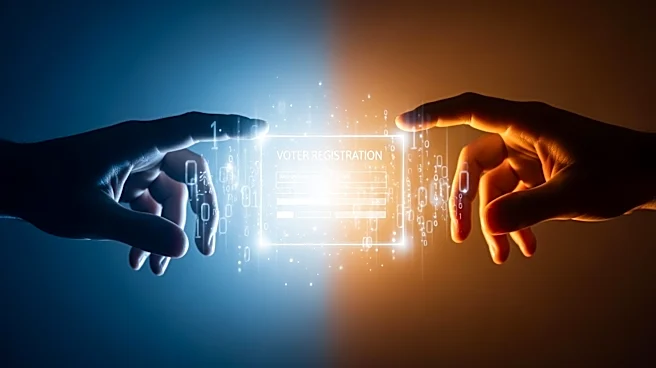
The Department of Justice (DOJ) is engaged in a legal battle with multiple states over access to voter registration data, which includes sensitive personal information such as driver's license numbers and Social Security numbers. This data is considered
critical for identity theft, raising significant privacy concerns. The DOJ argues that access to this information is necessary to prevent voter fraud, citing the Civil Rights Act and other federal statutes as justification. However, civil rights groups and several states contend that the federal government has no constitutional role in managing elections, which are traditionally state-controlled. The DOJ has filed lawsuits against 30 states and the District of Columbia to obtain these records, but federal courts in five states have dismissed these demands, labeling them as unprecedented and illegal. The DOJ's appeals in these cases are scheduled for oral arguments in May.
Why It's Important?
This legal conflict highlights the tension between federal oversight and state control of elections, a fundamental aspect of U.S. democracy. The outcome of these cases could significantly impact voter privacy and the integrity of voter registration processes. If the DOJ succeeds, it could set a precedent for increased federal intervention in state-managed election systems, potentially leading to broader access to personal voter data. This raises concerns about the potential for identity theft and the misuse of sensitive information. Conversely, if the states prevail, it could reinforce the autonomy of state election systems and protect voter privacy. The stakes are high, as the decisions could influence voter participation and trust in the electoral process, especially in the context of ongoing debates about election security and integrity.
What's Next?
The upcoming federal appeals in May will be crucial in determining the future of this legal battle. The 6th U.S. Circuit Court of Appeals will hear the Michigan case, while the 9th U.S. Circuit Court of Appeals will address the cases from California and Oregon. These hearings will assess whether the DOJ's demands align with federal statutes and the Constitution. The decisions could prompt further legal challenges or legislative actions, depending on the outcomes. Stakeholders, including civil rights groups, state governments, and federal agencies, will be closely monitoring these developments, as they could have far-reaching implications for election management and voter privacy in the United States.
Beyond the Headlines
Beyond the immediate legal and privacy concerns, this issue touches on broader themes of federalism and the balance of power between state and federal governments. It also raises ethical questions about the extent to which personal data should be used in the name of preventing voter fraud. The potential for misuse of this data by third-party contractors or hackers adds another layer of complexity, highlighting the need for robust data protection measures. This situation underscores the ongoing debate about the role of technology and data in modern governance and the importance of safeguarding democratic processes against both internal and external threats.