




What's Happening?
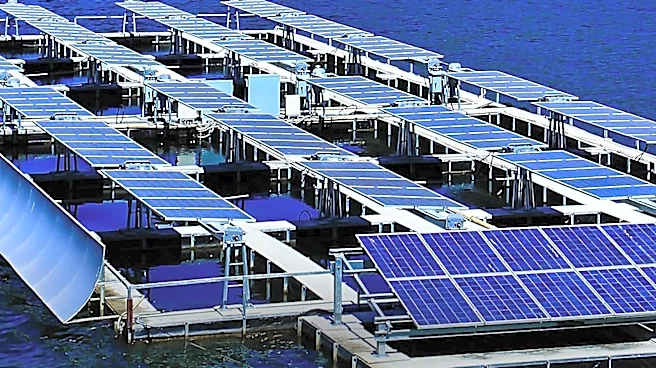
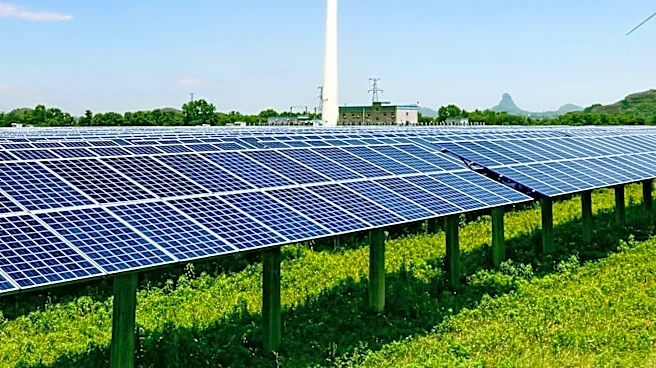
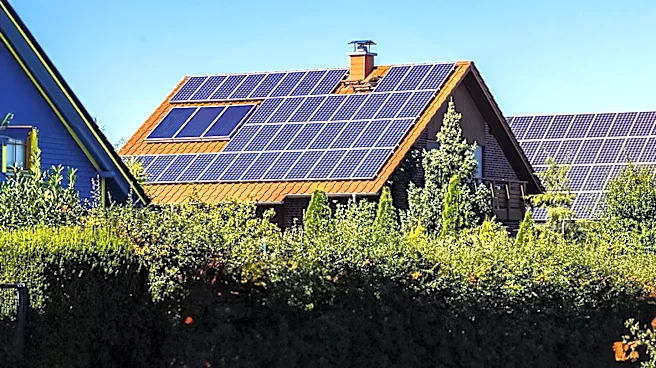
California has set a world record by generating more than half of its electricity from solar power in May 2026. This achievement marks the first time a large-scale power system has surpassed 50% solar generation for an entire month. The milestone is attributed
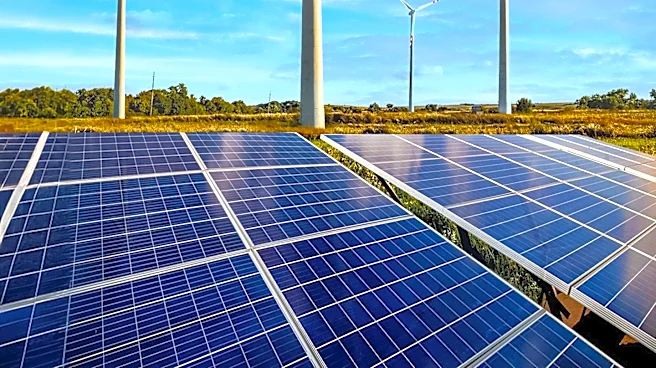
to significant growth in solar capacity and battery storage over the past five years. The SunZia wind project in New Mexico also contributed by supplying electricity to California, reducing the need for natural gas at night. This development is part of California's ongoing transition to renewable energy, with the state aiming for all electricity to come from clean sources by 2045.
Why It's Important?
California's achievement underscores the potential of solar energy as a major power source, setting a precedent for other regions. The state's success in integrating solar power at such a scale demonstrates the feasibility of transitioning to renewable energy, which is crucial for reducing greenhouse gas emissions and combating climate change. This shift also highlights the importance of battery storage in managing energy supply and demand, allowing solar power to be used even when the sun is not shining. As other states and countries look to reduce their carbon footprints, California's model could serve as a blueprint for similar transitions.
What's Next?
California will continue to expand its solar and battery storage capacities to maintain and exceed current levels of renewable energy generation. The state is also likely to focus on further reducing its reliance on natural gas, especially during peak demand periods. As part of its long-term energy strategy, California aims to achieve 100% clean electricity by 2045. This will involve continued investment in renewable energy infrastructure and technology, as well as policy measures to support the transition. The success of these efforts could influence national and international energy policies, promoting wider adoption of renewable energy solutions.