
What's Happening?
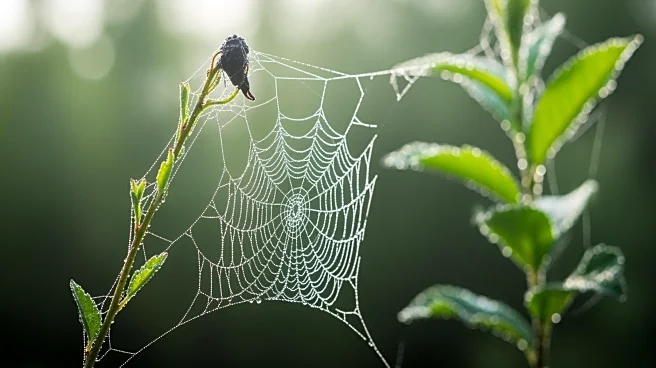
A recent study published in Nature has highlighted the significant decline in arthropod biomass and its potential impact on ecosystems. The research, conducted by Harvey, J. A. et al., emphasizes the dangers
posed by anthropogenic climate change to arthropods, which are crucial for maintaining ecological balance. The study reviews the negative consequences of declining arthropod species richness, abundance, and biomass on ecosystem functioning. It also discusses potential management solutions to mitigate these effects. The findings are supported by experimental data showing how the loss of these species can disrupt ecosystem processes. The study is part of a broader effort to understand the role of biodiversity in ecosystem health and the potential consequences of its decline.
Why It's Important?
The decline in arthropod biomass is a critical environmental issue with far-reaching implications for ecosystems worldwide. Arthropods play essential roles in pollination, decomposition, and as a food source for other animals. Their decline could lead to a cascade of negative effects on biodiversity and ecosystem services, which are vital for human survival. The study underscores the urgent need for conservation efforts and policy changes to address climate change and habitat destruction, which are primary drivers of this decline. The research provides valuable insights for scientists, policymakers, and conservationists working to preserve biodiversity and maintain ecosystem health.
What's Next?
The study calls for immediate action to address the factors contributing to arthropod decline. This includes implementing conservation strategies and policies aimed at reducing climate change impacts and protecting natural habitats. Researchers and policymakers are encouraged to collaborate on developing and applying effective management solutions. Future research will likely focus on further understanding the complex interactions between biodiversity and ecosystem functioning, as well as monitoring the effectiveness of implemented conservation measures.
Beyond the Headlines
The decline in arthropod biomass also raises ethical and cultural questions about humanity's responsibility to protect the natural world. It challenges societies to reconsider their relationship with nature and the long-term sustainability of current practices. The study highlights the need for a shift in cultural attitudes towards environmental stewardship and the importance of integrating ecological considerations into economic and development planning.