




What's Happening?
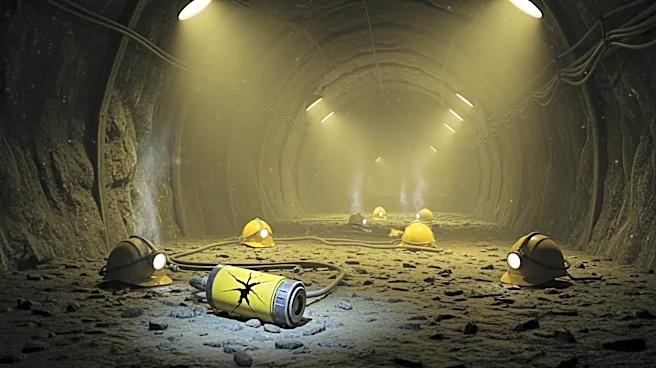
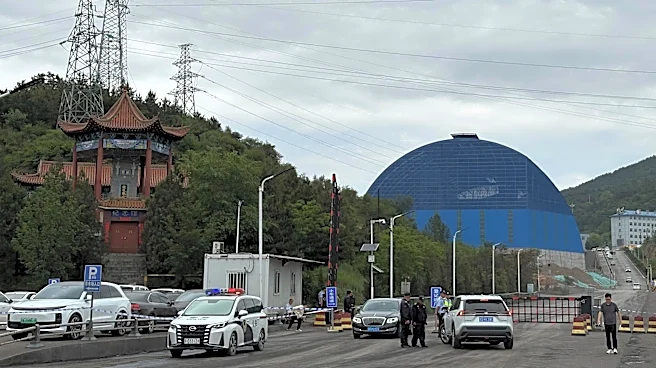
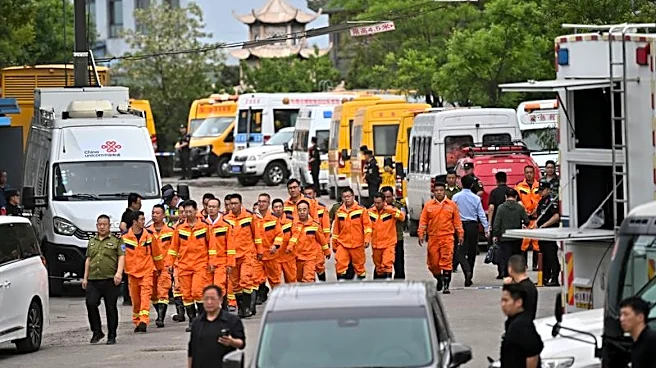
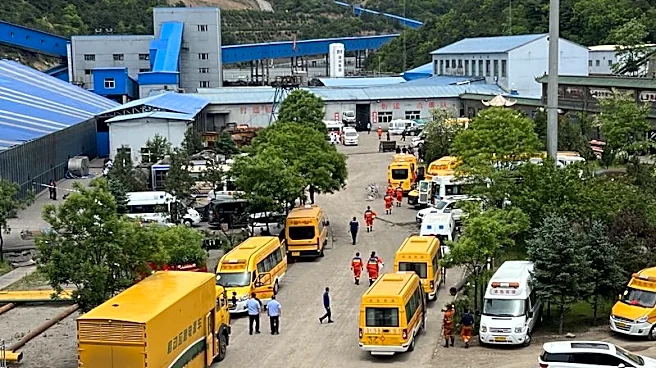
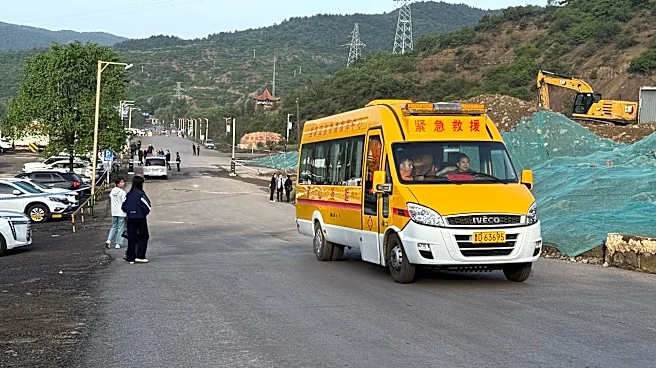
A gas explosion at the Liushenyu coal mine in Shanxi Province, China, has resulted in 82 fatalities and prompted safety inspections across the country's coal mining regions. The explosion occurred without warning, causing thick smoke to engulf the underground
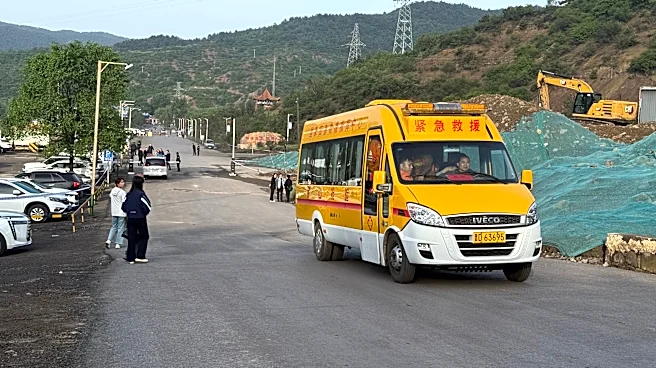
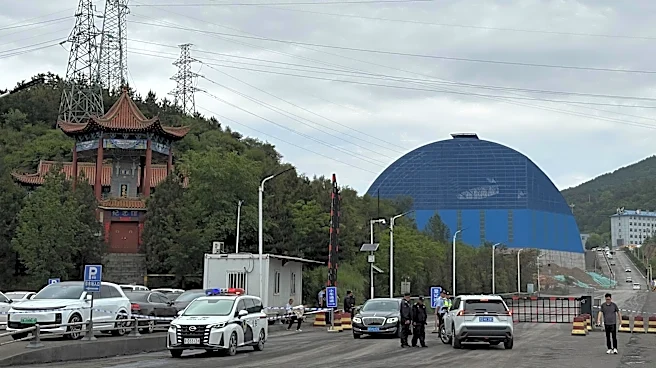
operations. Survivors have recounted the terrifying experience, with some miners narrowly escaping death. In response to the tragedy, China's State Council has launched an investigation into the incident, emphasizing the need for rigorous safety measures and the elimination of illegal mining practices. Officials in various regions have conducted inspections to ensure workplace safety and prevent similar accidents.
Why It's Important?
The explosion at the Shanxi coal mine underscores the critical need for improved safety standards in China's mining industry. With coal being a major energy source for the country, ensuring the safety of mining operations is essential to prevent loss of life and maintain energy production. The incident has highlighted the risks associated with mining and the importance of strict regulatory oversight. The nationwide inspections aim to address safety concerns and prevent future accidents, which could have significant implications for the industry's operational practices and regulatory framework.
What's Next?
Following the explosion, Chinese authorities are expected to implement stricter safety regulations and conduct comprehensive inspections of mining operations across the country. The investigation by the State Council will likely lead to policy changes aimed at enhancing safety standards and reducing illegal mining activities. The outcome of these efforts will be crucial in preventing future accidents and ensuring the safety of miners. The incident may also prompt discussions on the sustainability and safety of coal mining as an energy source, potentially influencing China's energy policy and industry practices.