



What's Happening?
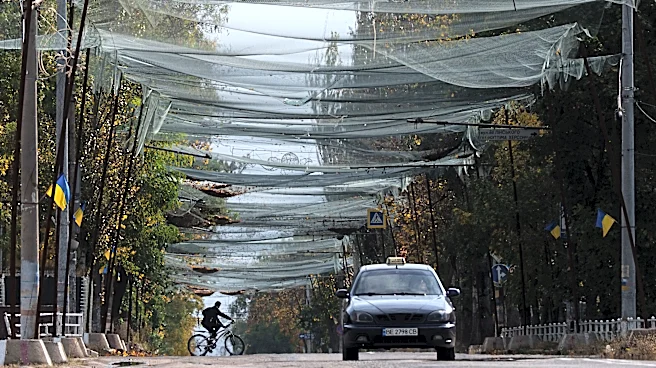
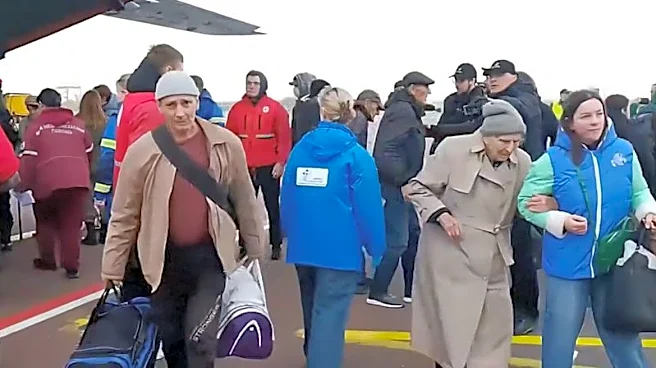
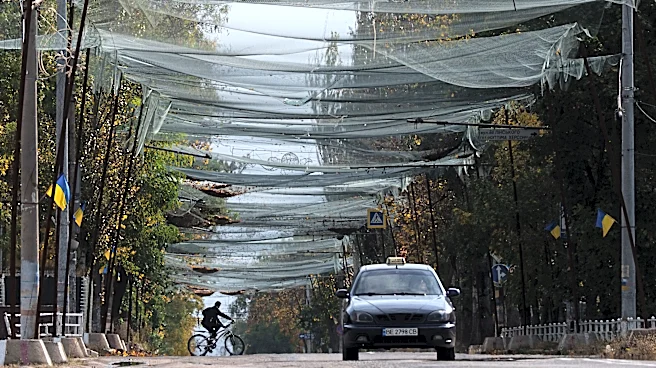
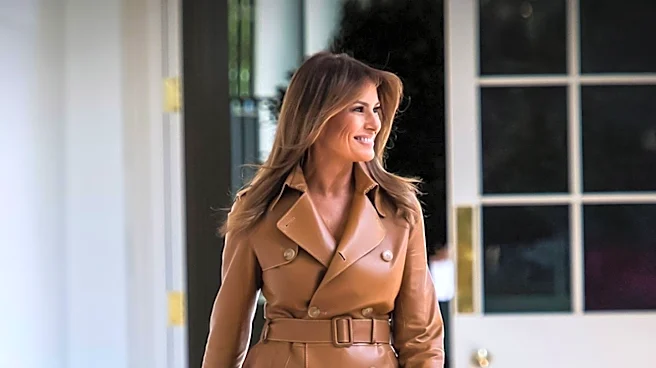
A local ceasefire in the Russian-controlled Ukrainian town of Oleshky has been successfully brokered by First Lady Melania Trump, with involvement from Pope Leo XIV. This humanitarian pause, which began on October 27, has allowed for the evacuation of hundreds
of civilians from the war-ravaged town. According to both Ukrainian and Russian officials, the ceasefire has held without violations since its inception. This agreement marks the first of its kind and the longest humanitarian pause in the nearly five-year-long conflict. The ceasefire has also facilitated the de-mining of roads and the delivery of essential supplies, including food and medicine, to Oleshky, where residents had faced severe shortages and starvation since May. Evacuees have undertaken a complex journey, traveling through Crimea to Russia, then flying to Belarus, and finally proceeding to Ukrainian territory. Ukrainian President Volodymyr Zelenskyy has expressed gratitude to the First Lady and the U.S. for their mediation efforts.
Why It's Important?
This ceasefire is significant as it represents a rare instance of successful humanitarian diplomacy in the ongoing conflict, directly involving the U.S. First Lady. The ability to secure a localized truce, even temporarily, demonstrates a potential pathway for future humanitarian corridors and aid deliveries in other conflict zones. The successful evacuation of civilians, particularly those who were starving and exhausted, highlights the critical need for such pauses in hostilities. It also underscores the potential influence of non-traditional diplomatic actors, such as first ladies and religious leaders, in facilitating agreements where traditional channels may be stalled. The operation provides a template for future efforts to alleviate civilian suffering, offering a glimmer of hope for similar initiatives in other besieged areas. The U.S. involvement, through First Lady Melania Trump, reinforces America's role in humanitarian efforts on the global stage.
What's Next?
Ukrainian and Russian officials have indicated a willingness to continue working on similar humanitarian missions, suggesting that the Oleshky ceasefire could serve as a model for future localized truces. The immediate next step involves ensuring the safe resettlement and provision of aid to the evacuated civilians now in Ukrainian territory. For those who chose to remain in Oleshky, efforts will focus on sustaining the delivery of essential supplies. The success of this operation may encourage further mediation efforts by international figures and organizations to establish more humanitarian pauses or broader peace discussions. However, the broader implications for a wider peace agreement between Russia and Ukraine remain slim, as indicated by ongoing hostilities elsewhere. The focus will likely remain on localized humanitarian actions rather than a comprehensive resolution to the conflict.
Beyond the Headlines
The successful mediation by First Lady Melania Trump in Oleshky highlights the evolving role of diplomatic engagement beyond traditional state-to-state negotiations. It underscores the power of humanitarian appeals and the potential for non-political figures to bridge divides in highly contentious conflicts. This event could set a precedent for future humanitarian interventions where direct political negotiations are stalled, emphasizing a 'people-first' approach to conflict resolution. The involvement of Pope Leo XIV further illustrates the enduring influence of religious institutions in global humanitarian efforts. Ethically, the ceasefire brings into focus the moral imperative to protect civilian lives amidst warfare, regardless of political allegiances. It also raises questions about the sustainability of such localized agreements and the challenges of ensuring their integrity in a broader conflict environment.