



What's Happening?
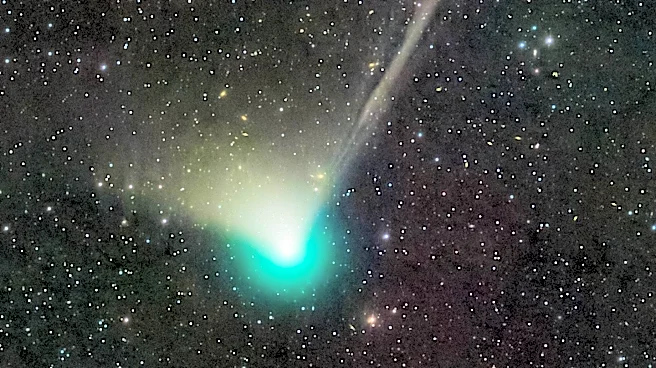
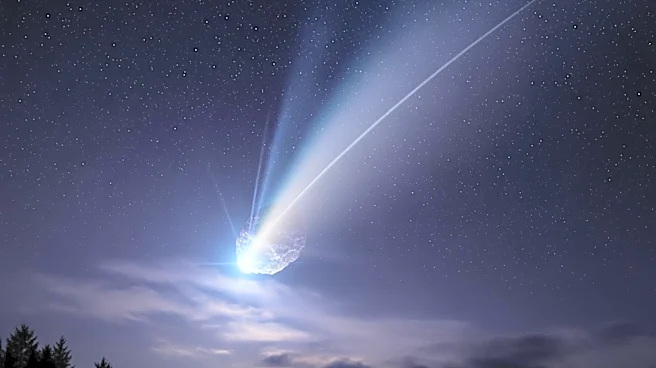
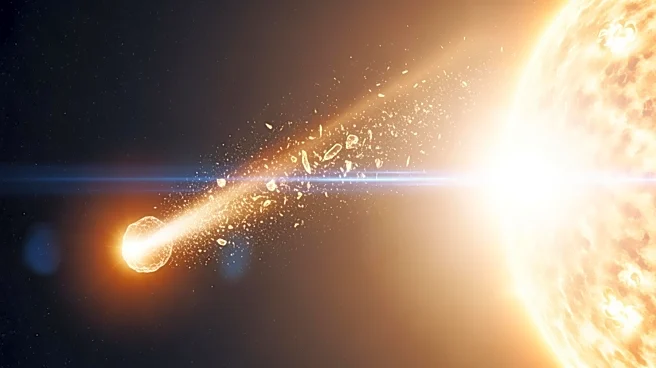
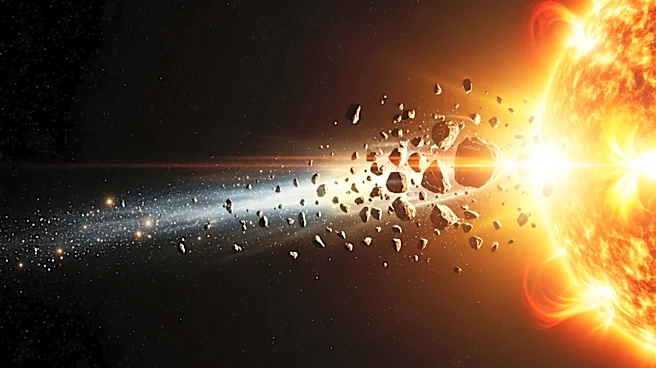
Comet C/2025 R3 (Pan-STARRS) is currently visible in the early morning sky, offering a rare opportunity for observation before it reaches perihelion on April 19-20. Discovered by the Pan-STARRS survey in Hawaii in September 2025, this long-period comet
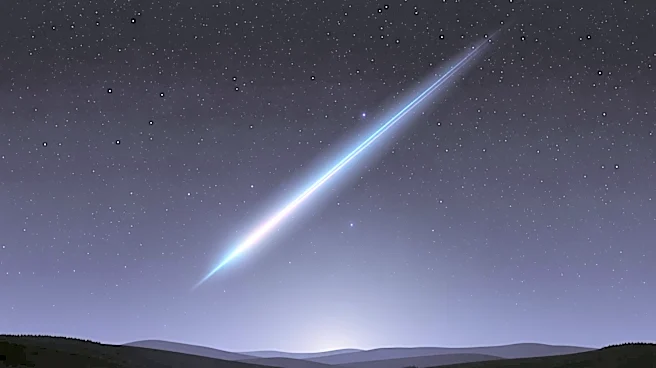
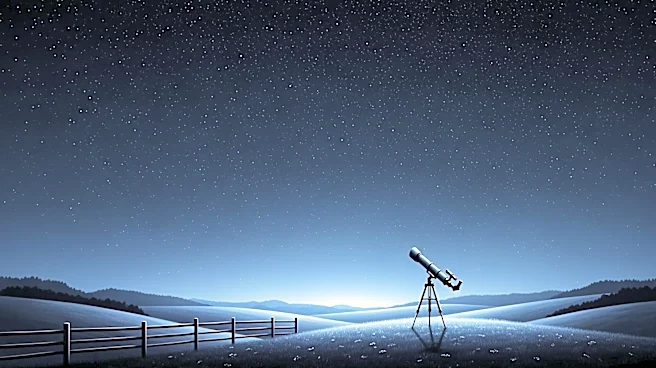
is expected to brighten rapidly, potentially reaching magnitude +3, making it visible to the naked eye under excellent conditions. However, as it brightens, it will also move closer to the sun in the sky, making it more challenging to observe. The best viewing window is from April 10-20, when the comet is brightening but not yet too deeply embedded in the sun's glare. Observers in the Northern Hemisphere are advised to look for the comet about 90 minutes before sunrise, low in the eastern sky.
Why It's Important?
The appearance of Comet Pan-STARRS is significant as it provides a unique opportunity for astronomers and enthusiasts to observe a celestial body that visits the inner solar system only once every 170,000 years. This event allows for the study of the comet's composition and behavior as it approaches the sun. The comet's visibility also serves as an educational opportunity, inspiring interest in astronomy and providing a chance for the public to engage with the night sky. The challenge of observing the comet as it moves closer to the sun adds to the excitement, encouraging observers to plan and prepare for optimal viewing conditions.
What's Next?
As Comet Pan-STARRS approaches perihelion, astronomers will continue to monitor its brightness and trajectory. Observers are encouraged to take advantage of clear skies and use binoculars or telescopes to view the comet. The comet's visibility will improve for Southern Hemisphere observers later in April and into May, as it moves away from the sun in their skies. Astronomical organizations will likely provide updates and guidance on the best viewing times and conditions, allowing for continued observation and study of this rare celestial event.