






What's Happening?
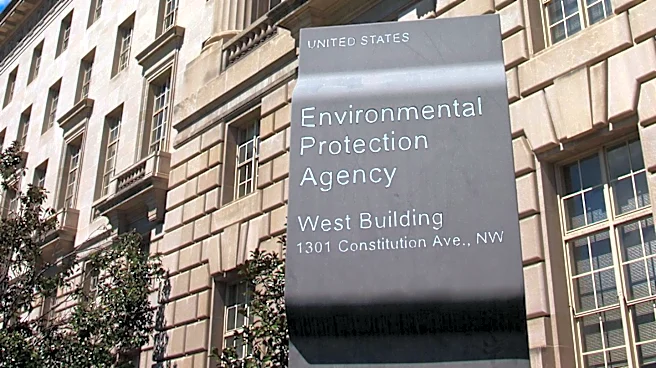
On October 29, the U.S. Environmental Protection Agency (EPA) announced a $26 million funding initiative for states and territories to address lead in drinking water at schools and child care facilities. This program, known as the Reducing Lead Where
Children Learn Grant Program (also called the Voluntary School and Child Care Lead Testing and Reduction Grant Program), aims to provide safe, clean water for children. EPA Administrator Lee Zeldin emphasized the importance of this funding during Children's Health Month, stating that parents should not have to worry about lead exposure in schools. In addition to the financial aid, the EPA also offers voluntary educational resources to state and local authorities through its Training, Testing, and Taking Action (3Ts) program to help them reduce lead in drinking water.
Why It's Important?
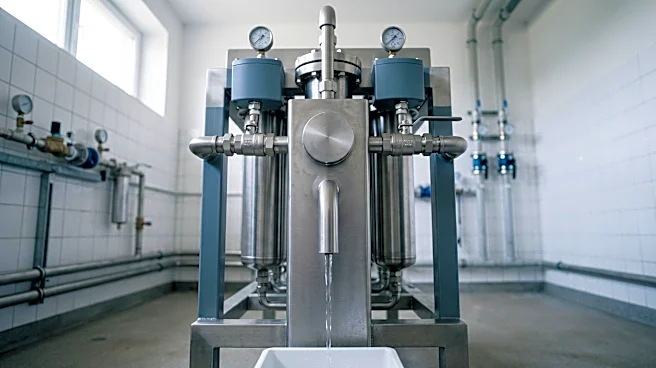
Lead exposure, particularly in children, can have severe and lasting health consequences, including developmental delays and learning difficulties. This $26 million federal investment directly addresses a critical public health concern by targeting lead contamination in school and child care drinking water systems across the U.S. The funding will enable states and territories to implement testing, remediation, and prevention measures, thereby safeguarding the health of millions of children. By focusing on facilities where children spend a significant portion of their day, the program aims to mitigate a major source of potential lead exposure. The EPA's complementary 3Ts program further empowers local entities with the knowledge and tools necessary to proactively manage and reduce lead risks, underscoring a comprehensive approach to protecting vulnerable populations.
What's Next?
The funding will be made available to states and territories through the Reducing Lead Where Children Learn Grant Program. Tribal allotments for this program will be provided separately. States and territories will be responsible for applying for and distributing these funds to eligible schools and child care facilities within their jurisdictions. The EPA will continue to offer its voluntary Training, Testing, and Taking Action (3Ts) program to support these efforts. The success of this initiative will depend on effective collaboration between federal, state, and local partners to identify and address lead contamination efficiently. Continued monitoring and evaluation of the program's impact on lead levels in school drinking water will be crucial to ensure its effectiveness and inform future public health interventions.
Beyond the Headlines
This initiative highlights the persistent challenge of aging infrastructure in the U.S. and its direct impact on public health, particularly in educational settings. Beyond immediate remediation, the program implicitly encourages broader infrastructure improvements and preventative measures to ensure long-term water safety. The focus on children's health during 'Children's Health Month' underscores the ethical imperative to protect the most vulnerable members of society from environmental hazards. This funding also reflects a recognition that environmental quality is directly linked to educational outcomes and overall community well-being. The program's success could serve as a model for addressing other environmental health risks in public facilities, emphasizing the importance of proactive measures and sustained investment in public health infrastructure.