





What's Happening?
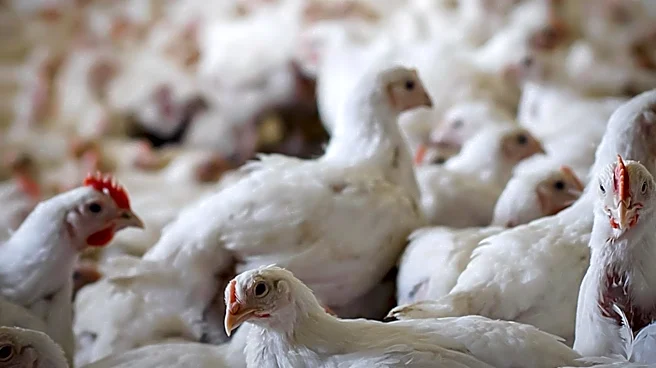
Avian influenza, commonly known as bird flu, is a highly contagious disease primarily affecting birds, particularly wild aquatic birds like geese, ducks, and swans. The virus can spread to other wild and domestic birds, various wild and domestic mammals,
and even humans. Infected animals transmit the virus through saliva, mucus, and feces, and it can also be present in their tissues. Mammals, including foxes, raccoons, skunks, and domestic cats, can become infected by contact with infected birds or their environment, or by consuming contaminated raw milk or meat. Dairy cows have also been found to excrete the virus in their milk, making raw milk and unpasteurized dairy products unsafe for consumption. Human infections have occurred through close and prolonged contact with infected animals or their environments, often without the use of personal protective equipment (PPE). While most human cases in the U.S. have been mild, severe cases and fatalities have been reported. Symptoms in humans can include fever, cough, sore throat, body aches, vomiting, diarrhea, eye redness, and difficulty breathing.
Why It's Important?
The spread of avian influenza has significant implications for U.S. public health, agriculture, and wildlife. For the agricultural sector, particularly poultry and dairy farms, outbreaks can lead to devastating economic losses due to culling of infected flocks and herds, trade restrictions, and reduced consumer confidence. The potential for the virus to spread among dairy cattle, as observed, raises concerns about the safety of the food supply chain, although pasteurized milk remains safe. From a public health perspective, the risk of human infection, even if currently low, necessitates robust surveillance and preparedness measures to prevent a wider outbreak. The virus's ability to infect a broad range of mammals, including domestic pets, also poses a threat to animal welfare and could potentially facilitate viral evolution, increasing the risk of human-to-human transmission. Protecting wildlife populations is also critical, as wild birds act as natural reservoirs for the virus, making eradication challenging and continuous monitoring essential for early detection and response.
What's Next?
Public health authorities and agricultural agencies in the U.S. are advising the public to avoid contact with sick or dead wild birds and other animals. Individuals who must handle potentially infected animals or work in their environments are strongly recommended to use personal protective equipment (PPE), including gloves, eye protection, and NIOSH-approved respirators. Reporting unusual illness or death among domestic birds to the WSDA Avian Health Program and among wild birds or animals to the Washington Department of Fish and Wildlife is crucial for surveillance. Consumers are advised to avoid consuming raw or undercooked foods, including unpasteurized milk, raw cheeses, and raw meats. Pet owners are cautioned against allowing their pets to consume raw milk or raw meat. Ongoing monitoring of avian influenza in both wild and domestic animal populations, along with public education campaigns on prevention and safety measures, will continue to be critical in managing the spread of the virus and mitigating its impact.
Beyond the Headlines
The ongoing threat of avian influenza highlights the intricate connection between animal health, environmental factors, and human well-being, underscoring the 'One Health' approach to public health. The virus's jump from birds to mammals, including dairy cows and domestic cats, suggests a potential for adaptation that could increase its transmissibility and pathogenicity in new hosts. This raises deeper questions about the ecological drivers of viral spillover events, such as habitat encroachment and agricultural practices. The economic impact on the agricultural industry extends beyond immediate losses, affecting long-term sustainability and global food security. Ethically, the culling of animals to control outbreaks presents complex dilemmas regarding animal welfare and economic necessity. The continuous evolution of avian influenza strains also poses a significant challenge for vaccine development and antiviral treatments, emphasizing the need for sustained scientific research and international collaboration to understand and combat emerging zoonotic diseases effectively.