
What's Happening?
A powerful earthquake with a magnitude of 6.5 struck southern and central Mexico, causing significant disruption and fatalities. The epicenter was located near San Marcos in Guerrero state, close to Acapulco.
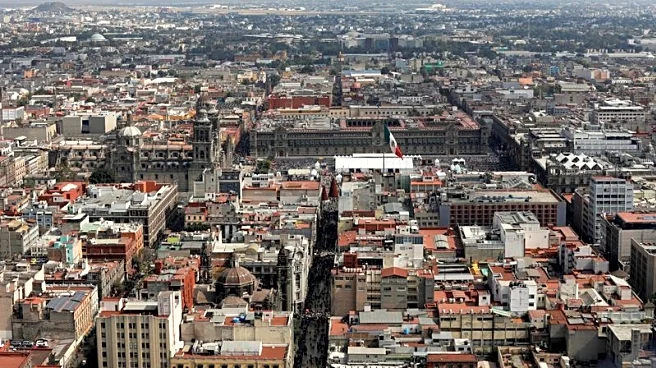
The quake resulted in at least two deaths, including a woman whose home collapsed and another individual who suffered a medical emergency during evacuation. The earthquake also caused landslides and structural damage, notably affecting a hospital in Chilpancingo, Guerrero's capital. Over 500 aftershocks were reported, prompting residents and tourists in Mexico City and Acapulco to evacuate buildings.
Why It's Important?
The earthquake highlights the vulnerability of regions in Mexico to seismic activity, impacting infrastructure and public safety. The fatalities and damage underscore the need for robust emergency response systems and infrastructure resilience. The event also affects tourism and local economies, particularly in areas like Acapulco, which rely heavily on tourism. The response to such natural disasters is crucial in mitigating long-term economic and social impacts, emphasizing the importance of preparedness and effective communication systems.
What's Next?
Authorities are likely to focus on assessing the full extent of the damage and providing aid to affected communities. Efforts will include repairing infrastructure, ensuring the safety of buildings, and supporting displaced individuals. The government may also review and enhance earthquake preparedness and response strategies to better handle future incidents. International aid and support could be sought to assist in recovery efforts, while local communities will need ongoing support to rebuild and recover.