





What's Happening?
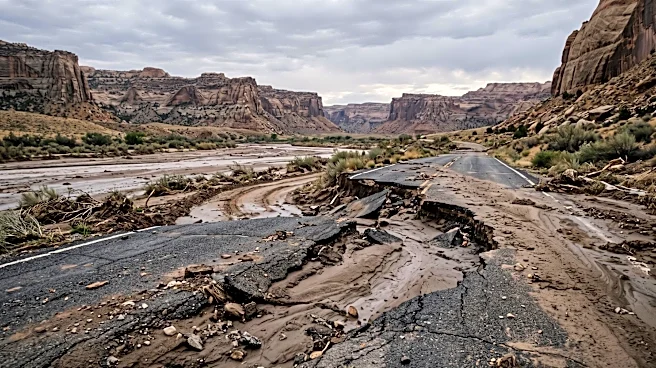
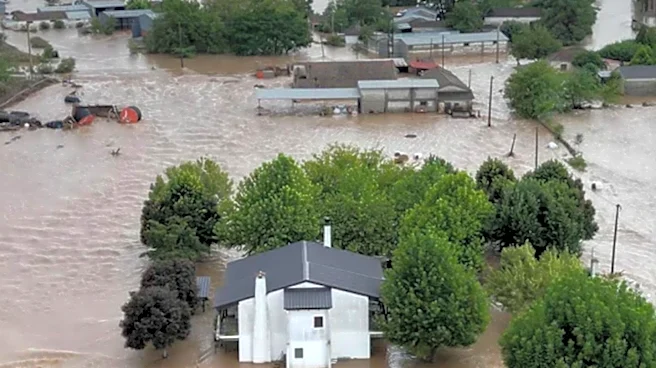
Governor Spencer Cox has declared a state of emergency for San Juan and Washington counties in southern Utah following two weeks of severe and destructive flooding. The declaration, made on Friday, aims to provide state-level resources and potentially
federal assistance to aid local recovery efforts. The affected areas have experienced significant damage, including cut-off travel routes, compromised homes, and damaged utility infrastructure. Additionally, floodwaters in the San Juan River and surrounding soil have shown E. coli levels ten times higher than what would typically trigger a health advisory, posing a significant public health concern. The state of emergency is initially set for 30 days but can be extended if lawmakers vote to do so. This measure underscores the severity of the ongoing natural disaster and the extensive needs for recovery and public safety in the region.
Why It's Important?
The declaration of a state of emergency is crucial for unlocking essential resources needed to address the widespread damage and public health risks in San Juan and Washington counties. By providing state and potentially federal aid, the declaration will facilitate the repair of critical infrastructure, including roads and utilities, which are vital for community function and economic activity. The high levels of E. coli in floodwaters present an immediate public health crisis, making rapid response and resource allocation imperative to prevent further contamination and illness. For residents, this means access to support for damaged homes and a more coordinated effort to restore normalcy. The economic impact on these counties could be substantial without timely intervention, affecting local businesses and livelihoods. This action highlights the state's commitment to supporting its communities in the face of natural disasters and mitigating long-term consequences.
What's Next?
Following Governor Cox's declaration, state agencies will begin deploying resources to San Juan and Washington counties to support recovery operations. Local authorities will work in conjunction with state emergency management to assess the full extent of the damage and prioritize repair efforts for infrastructure and homes. The immediate focus will likely be on restoring essential services, ensuring safe drinking water, and addressing the E. coli contamination to protect public health. Residents affected by the flooding can expect to receive information regarding available assistance programs. Over the next 30 days, lawmakers will monitor the situation closely, and a vote to extend the state of emergency could occur if recovery efforts require more time and resources. The potential for federal assistance will depend on further assessments and declarations at the national level, which could significantly augment the recovery funding.
Beyond the Headlines
The prolonged flooding and subsequent state of emergency in southern Utah underscore broader challenges related to climate patterns and infrastructure resilience. The repeated nature of the flooding suggests potential long-term environmental shifts that may necessitate more robust and adaptive infrastructure planning. The elevated E. coli levels highlight the vulnerability of water systems during extreme weather events and the critical need for advanced public health monitoring and rapid response protocols. This situation could prompt a re-evaluation of land use policies in flood-prone areas and investments in resilient infrastructure that can withstand future environmental pressures. Furthermore, it emphasizes the importance of community preparedness and early warning systems to mitigate the impact of such disasters on vulnerable populations and local economies, potentially influencing future state-level disaster preparedness strategies.