





What's Happening?
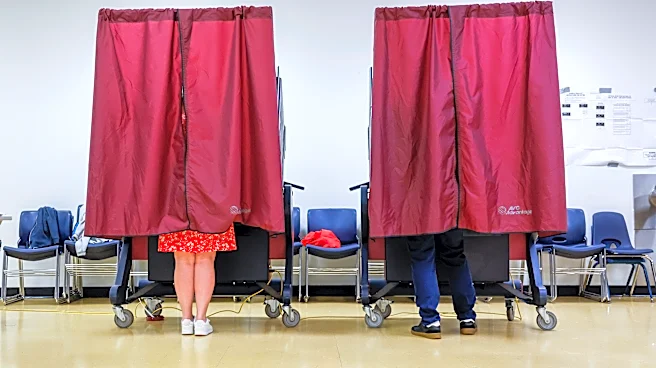
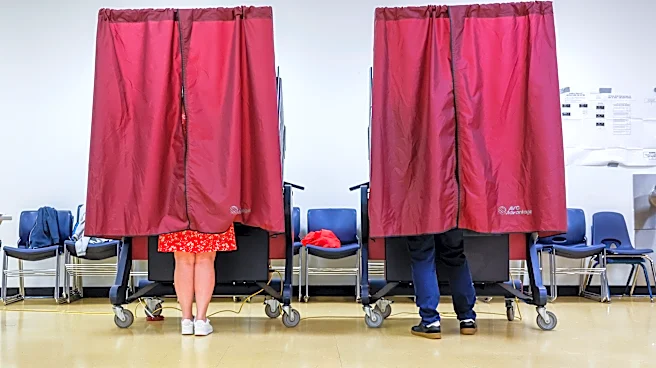
On May 16, 2026, Louisiana's election day was marked by widespread confusion, leaving many voters frustrated. The Louisiana Democratic Party's offices in Baton Rouge were inundated with calls from voters reporting issues such as ballot irregularities
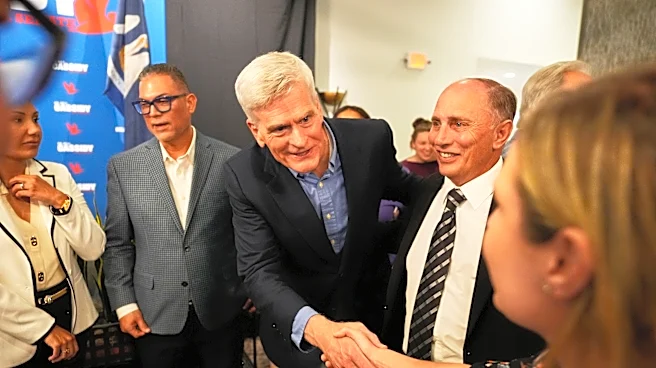
and being unable to vote in the U.S. Senate primary. Some voters were steered away from Democratic ballots, and election officials reportedly demanded that No Party voters sign affidavits without allowing them to retain copies. The confusion was exacerbated by a recent decision by Governor Jeff Landry to postpone the U.S. House primary following a Supreme Court ruling on racial gerrymandering. This led to administrative errors and a lack of clarity on voting procedures. Incumbent Republican Senator Bill Cassidy issued a warning about the election process, urging voters to request different ballots if necessary. The situation has raised concerns about voter suppression and potential legal challenges.
Why It's Important?
The confusion surrounding Louisiana's election highlights significant issues in the state's electoral process, potentially impacting voter turnout and trust in the system. The administrative errors and lack of clear communication may discourage voter participation, which is crucial for a functioning democracy. The situation also underscores the challenges of implementing last-minute changes to election procedures, which can lead to disenfranchisement. The potential for legal challenges could further complicate the electoral landscape in Louisiana, affecting future elections and policy decisions. The issues in Louisiana may serve as a cautionary tale for other states considering similar changes to their election processes.
What's Next?
The fallout from the election day confusion is expected to continue, with potential legal challenges on the horizon. The Louisiana Democratic Party, along with the Democratic National Committee, is documenting voter complaints, which could form the basis for litigation. The upcoming congressional races in the fall, set to run as an open primary, may also face scrutiny and require adjustments to ensure a smoother process. Stakeholders, including political leaders and civil rights organizations, may push for reforms to prevent similar issues in future elections. The situation may also prompt a broader discussion on election integrity and voter access in Louisiana and beyond.