
What's Happening?
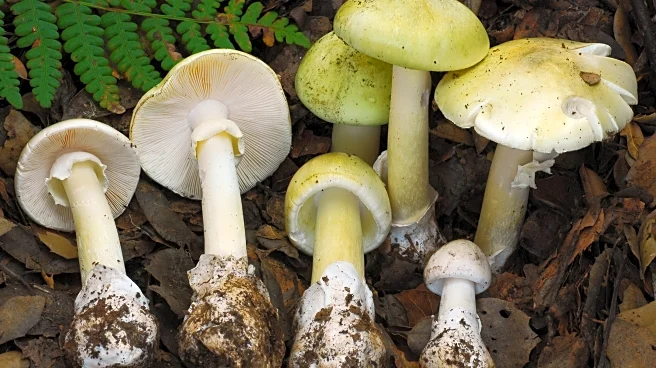
A significant health alert has been issued in California due to an outbreak of death cap mushroom poisonings. At least 35 individuals, including a toddler, have been affected, with three adults succumbing
to the toxic effects. The California Department of Public Health has linked these cases to the recent surge in death cap mushrooms, attributed to heavy rainfall. The mushrooms contain amatoxins, which can cause severe liver damage and potentially lead to liver failure. Health officials have advised the public against foraging for wild mushrooms during this high-risk period, as death caps can easily be mistaken for edible varieties. The outbreak has resulted in three emergency liver transplants, highlighting the severity of the situation.
Why It's Important?
This outbreak underscores the dangers of foraging for wild mushrooms, particularly during seasons when toxic varieties like death caps are prevalent. The health crisis has significant implications for public safety and healthcare resources in California. The fatalities and severe illnesses highlight the need for increased public awareness and education on the risks associated with wild mushroom consumption. The situation also stresses the importance of emergency medical preparedness, as rapid intervention can be crucial in cases of poisoning. The outbreak could lead to stricter regulations and guidelines regarding mushroom foraging and sales, impacting local economies and cultural practices related to mushroom gathering.
What's Next?
Health officials are likely to continue monitoring the situation closely and may implement further public health advisories or restrictions to prevent additional cases. There could be increased efforts to educate the public about the dangers of wild mushrooms, possibly through community outreach programs and partnerships with local media. The state may also consider enhancing its emergency response capabilities to handle similar outbreaks in the future. Additionally, there could be discussions around policy changes to regulate the sale and distribution of wild mushrooms more strictly.
Beyond the Headlines
The outbreak raises broader questions about the balance between cultural practices and public safety. Foraging for wild mushrooms is a tradition in many communities, but the risks associated with toxic varieties like death caps necessitate a reevaluation of these practices. The incident also highlights the challenges of distinguishing between safe and dangerous mushrooms, even for experienced foragers. This could lead to increased interest in scientific research and development of better identification tools or methods to ensure safe foraging. Furthermore, the outbreak may prompt discussions on the role of climate change in altering the growth patterns of toxic mushrooms, as changing weather conditions could lead to more frequent or severe outbreaks.