





What's Happening?
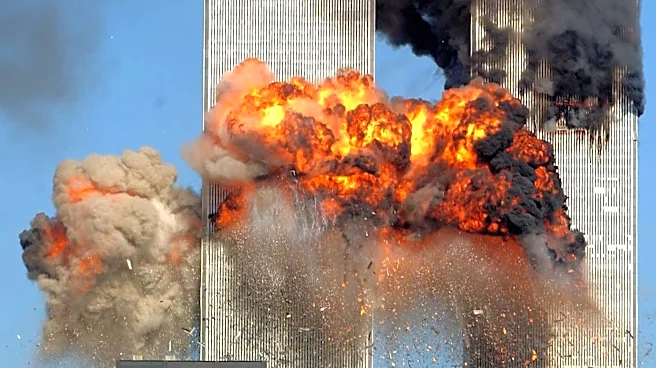
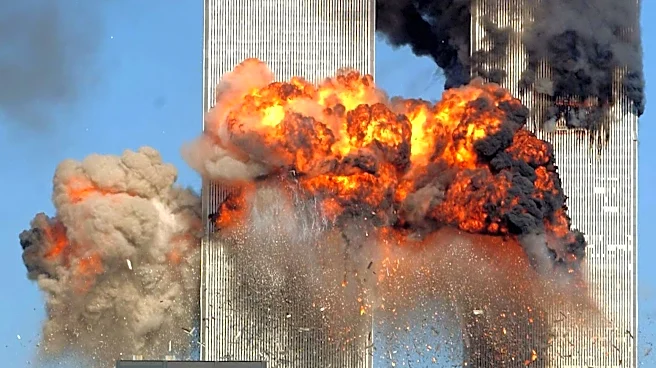
Shawn Nassaney, a 25-year-old Pawtucket native, was remembered as 'full of life' on the anniversary of 9/11. Nassaney and his girlfriend, Lynn Goodchild, were among the 51 passengers killed when United Airlines Flight 175 crashed into the World Trade
Center's South Tower on September 11, 2001. The couple, who met at Bryant University, had boarded the flight at Boston Logan International Airport for a spontaneous trip to Hawaii. Shawn's father, Patrick Nassaney, described his son as an outgoing world traveler, talented athlete, and passionate businessman who was always there for his family. He recalled the moment he learned of the tragedy, initially believing his son was safe as he was heading west, only to discover the flight was hijacked and deliberately flown into the tower. Patrick Nassaney continues to visit the 9/11 Memorial in New York City and the Rhode Island 9/11 Wall of Hope Monument, finding solace in remembering his son.
Why It's Important?
The remembrance of Shawn Nassaney and other victims of 9/11 is profoundly important as it serves as a poignant reminder of the human cost of the terrorist attacks and the enduring grief experienced by families. These personal stories help to humanize the tragedy, ensuring that the victims are remembered not just as statistics but as individuals with lives, dreams, and loved ones. For the community of Pawtucket and Rhode Island, remembering Shawn reinforces a collective memory of the event and fosters a sense of unity and resilience. It also highlights the ripple effect of such tragedies, impacting families, communities, and the nation for decades. The continued efforts to honor the victims, through memorials and personal tributes, underscore the importance of historical remembrance in shaping national identity and preventing future acts of terrorism. It also provides a platform for reflection on the values of courage, sacrifice, and community support that emerged in the aftermath of 9/11.
What's Next?
The annual remembrance of 9/11 victims, including Shawn Nassaney, will continue to be a significant event for families and communities across the nation. Memorials like the 9/11 Memorial in New York City and the Rhode Island 9/11 Wall of Hope Monument will remain places of reflection and tribute. Efforts to preserve the stories of the victims and the events of that day will continue through educational initiatives and historical archives, ensuring that future generations understand the impact of 9/11. For the Nassaney family, the grief remains, but so does the commitment to honor Shawn's memory, potentially through foundations or scholarships established in his name. The Rhode Island for Community and Justice is also actively trying to track down individuals who contributed to the 9/11 Wall of Hope, further engaging the community in preserving this collective memory. These ongoing efforts ensure that the legacy of those lost on 9/11 endures and continues to inspire reflection and unity.
Beyond the Headlines
The story of Shawn Nassaney and his family delves into the deeper psychological and emotional impacts of national tragedies. Patrick Nassaney's description of 'triggers' and 'wounds that just don't heal' illustrates the long-term nature of grief and trauma for those directly affected. This personal narrative highlights the importance of individual remembrance within the broader historical context of 9/11. It also touches upon the cultural significance of memorials, not just as physical structures, but as spaces for collective healing, reflection, and the reaffirmation of shared values. The Rhode Island 9/11 Wall of Hope Monument, created largely by children, symbolizes the community's response to tragedy and the power of art as a medium for expression and healing. This story underscores how personal loss can become intertwined with national memory, shaping how a society processes trauma and moves forward while never forgetting the past. It also serves as a testament to the enduring human spirit in the face of unimaginable loss.