





What's Happening?
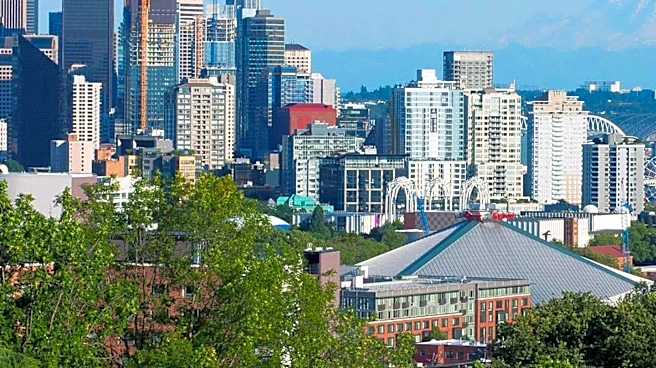
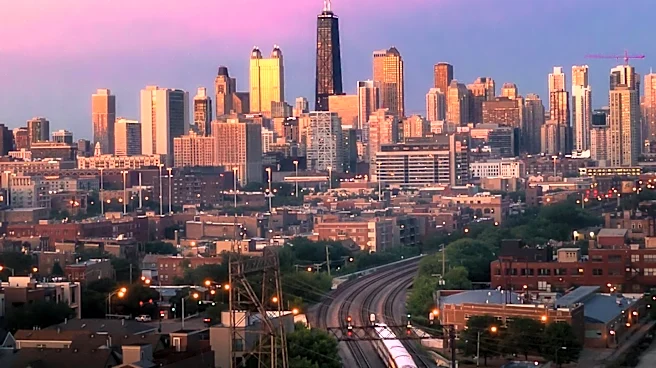
The Big Sky Passenger Rail Authority has completed the initial phase of the Corridor Identification and Development Program for restoring passenger rail service on the former North Coast Hiawatha route, connecting Chicago to Seattle. This first step involved
submitting all required deliverables and answering follow-up questions. The authority is now awaiting authorization to proceed to the second phase, which focuses on developing a core service development plan, including defining schedules, station locations, equipment needs, and an implementation framework. All projects within the Corridor Identification and Development Program are currently paused for reevaluation. The proposed Big Sky North Coast Corridor would traverse eight states, including North Dakota, with potential stops in Fargo, Jamestown, Bismarck, Dickinson, and Medora.
Why It's Important?
The restoration of long-distance passenger rail service across the northern U.S. could significantly enhance transportation options, stimulate economic development in communities along the route, and provide a more sustainable travel alternative. For states like North Dakota, new rail stops could boost tourism, improve connectivity for residents, and create new business opportunities. The project's progress, despite current pauses, indicates continued momentum for expanding national rail infrastructure. The financial challenges, particularly the need for a nonfederal match for the service development plan, highlight the complexities of funding large-scale infrastructure projects and the importance of legislative support, such as the proposed Long-Distance Corridor Relief Enhancement Act.
What's Next?
The Big Sky Passenger Rail Authority is awaiting federal authorization to advance to the second phase of the Corridor Identification and Development Program. This phase will involve detailed planning and community engagement to finalize route specifics and economic impact assessments. The fate of the proposed Long-Distance Corridor Relief Enhancement Act, which seeks to remove the nonfederal match requirement, will be crucial for the project's financial viability. Additionally, the authority is waiting for clarity on what will replace the expired Infrastructure Investment and Jobs Act to secure long-term funding for rail projects. Continued advocacy from stakeholders and state officials will be essential to maintain momentum and secure necessary resources for the corridor's development.
Beyond the Headlines
The effort to restore the North Coast Hiawatha route reflects a broader national interest in revitalizing passenger rail as a key component of a modern transportation system. Beyond economic benefits, such a project could foster regional connectivity, reduce carbon emissions from travel, and offer a more accessible mode of transportation for diverse populations. The challenges faced, such as funding matches and legislative uncertainties, underscore the need for sustained political will and innovative financing models for large-scale infrastructure. The project also highlights the importance of community input in planning, as local needs for healthcare, education, and tourism are factored into station placement and service design, ensuring that the rail line serves as a true community asset.