



What's Happening?
Tidal restoration efforts have officially commenced in the Herring River, marking a significant milestone two decades after the Town of Wellfleet and Cape Cod National Seashore committed to the project. The initial phase involves the new $32 million Chequessett
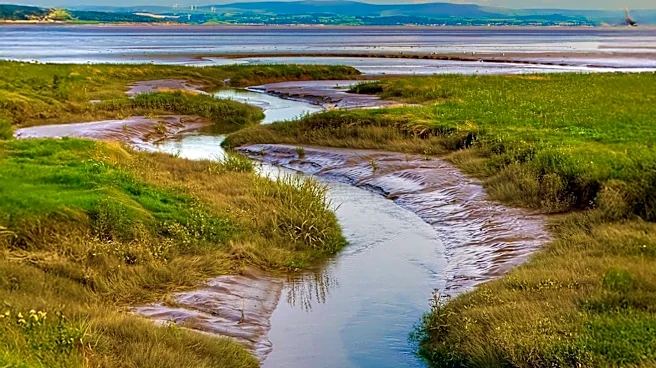
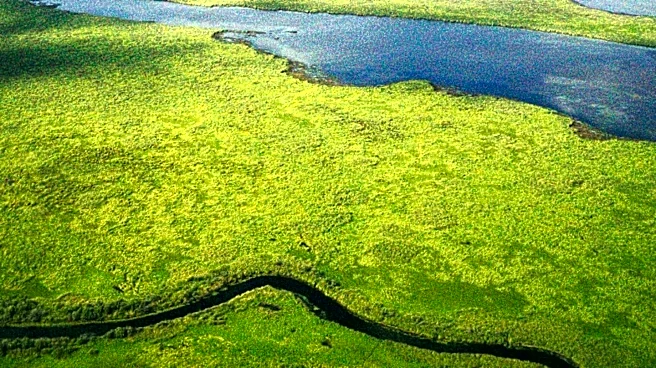
Neck bridge, which is equipped with 10 adjustable gates and 7 removable panels designed to control tidal flow between the river and Wellfleet Harbor. For the first time, these tide gates have been positioned to allow a greater volume of tidal exchange than was possible with the previous Chequessett Neck dike and culverts, which were removed to make way for the new bridge. Two tide gates were opened to an expanse of three by six feet each, facilitating increased tidal water movement. This modest increase is expected to improve habitat in the Lower Herring River, with conditions such as water levels and salinity being carefully monitored. A second partial opening of tide gates is planned for early next year, contingent on monitoring outcomes. These initial openings are projected to increase average water levels in the Lower Herring River by just under one and a half feet, enabling the restoration of 222 acres, approximately 39% of the project's authorized restoration area. The process will also include mowing invasive Phragmites to aid the transition to native salt marsh.
Why It's Important?
This tidal restoration project is crucial for the ecological health of the Herring River system, aiming to reverse over a century of tidal restriction that has degraded habitats. The increased tidal flow will help restore native salt marsh ecosystems, which are vital for biodiversity, water quality, and coastal resilience. Salt marshes serve as critical nurseries for fish and shellfish, filter pollutants, and provide natural protection against storm surges and erosion. The project's success could serve as a model for other coastal communities grappling with similar environmental degradation due to historical alterations of natural waterways. Furthermore, the long-term collaboration between local government (Town of Wellfleet) and a federal entity (Cape Cod National Seashore), along with various state and federal partners, highlights the complex inter-agency cooperation required for large-scale environmental restoration initiatives. The careful monitoring and phased approach underscore a commitment to adaptive management, ensuring that environmental responses are measured and adjustments can be made to optimize ecological benefits while mitigating potential negative impacts.
What's Next?
Following the initial tide gate openings, continuous monitoring of water levels, salinity, and other water quality parameters will be conducted to ensure conditions align with predicted levels. A second partial opening of tide gates is scheduled for early next year, pending the successful outcomes of the initial monitoring phase. Future tide gate openings will be determined based on the data and observations gathered from these initial settings, indicating a phased and data-driven approach to full restoration. Concurrently, efforts to mow invasive Phragmites will continue to support the transition to native salt marsh. The project also involves other construction elements, including the elevation of two miles of town roads, replacement of seven culverts, mitigation work on private properties, and the Mill Creek Water Control Structure on federal land. The ongoing success of these phases will dictate the timeline and scope of subsequent restoration activities, with the ultimate goal of fully restoring the ecological functions of the Herring River.
Beyond the Headlines
The Herring River restoration project represents a broader shift in environmental management towards undoing past human interventions that have negatively impacted natural ecosystems. The original dike, built in 1909, exemplifies a historical approach to land management that prioritized certain economic activities, such as agriculture, over ecological integrity. The current restoration effort acknowledges the long-term consequences of such actions and seeks to re-establish a more natural balance. This project also highlights the scientific and engineering challenges involved in large-scale ecological restoration, requiring precise control over hydrological processes and careful observation of ecosystem responses. The ethical dimension of environmental stewardship is evident in the two-decade commitment to this project, reflecting a societal recognition of the intrinsic value of natural habitats and the responsibility to restore them for future generations. The project's success could influence public policy regarding coastal development and restoration, emphasizing the importance of ecosystem-based management and long-term ecological planning.