





What's Happening?
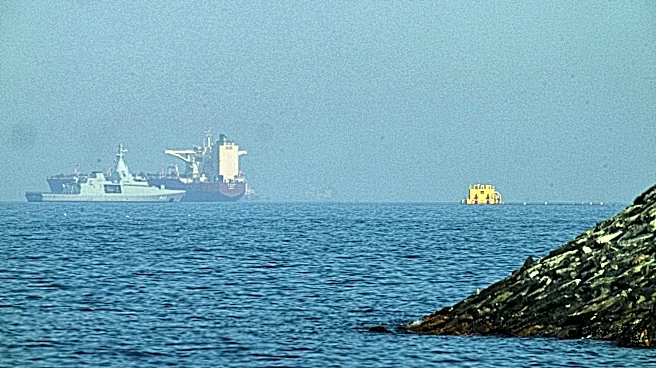
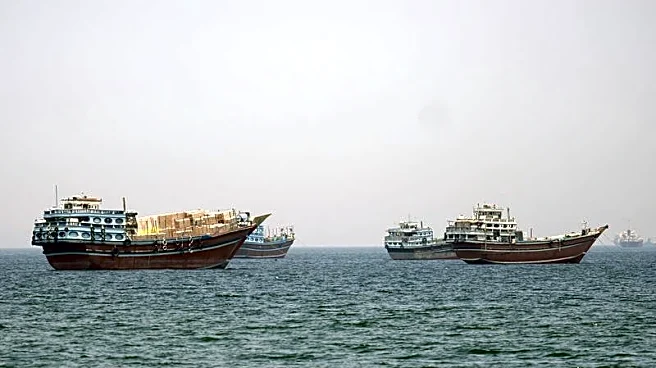
The national average gas price in the United States has surged to $4.39, marking a wartime high as tensions between President Trump and Iran continue to affect oil supplies. The closure of the Strait of Hormuz has trapped oil and petroleum products in the Persian
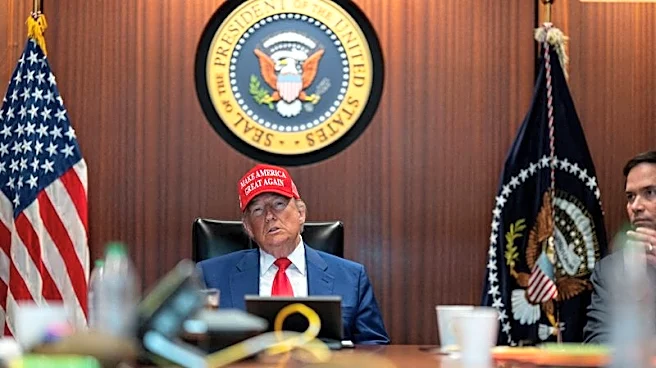
Gulf, contributing to the rising costs. In response, President Trump has met with energy executives to discuss potential measures to alleviate the situation. The administration has already taken steps such as releasing oil from the Strategic Petroleum Reserve and temporarily waiving certain shipping and environmental regulations. However, options to further reduce gas prices are limited, and some proposed measures, like eliminating the federal gas tax, carry significant economic and political risks.
Why It's Important?
The rising gas prices are creating political pressure for President Trump, especially in a midterm election year. The situation is affecting American consumers, with many cutting back on driving and household expenses. The economic impact extends to various sectors, including transportation and tourism, as higher fuel costs influence travel plans. The administration's ability to manage this crisis is crucial for maintaining public support and economic stability. The conflict with Iran and the resulting oil supply disruptions highlight the vulnerability of global energy markets and the importance of diplomatic solutions to ensure long-term access to critical shipping routes.
What's Next?
The White House is exploring further measures to address the gas price issue, but options are limited. Analysts suggest that reaching a diplomatic agreement with Iran to reopen the Strait of Hormuz is the most effective solution. However, President Trump has expressed dissatisfaction with Iran's proposals, indicating that negotiations may continue. The administration may face pressure from Congress and the public to take more decisive action, such as banning oil exports or implementing a gas tax holiday, though these measures have their own challenges. The situation remains fluid, with potential implications for U.S. foreign policy and domestic economic strategies.