

What's Happening?
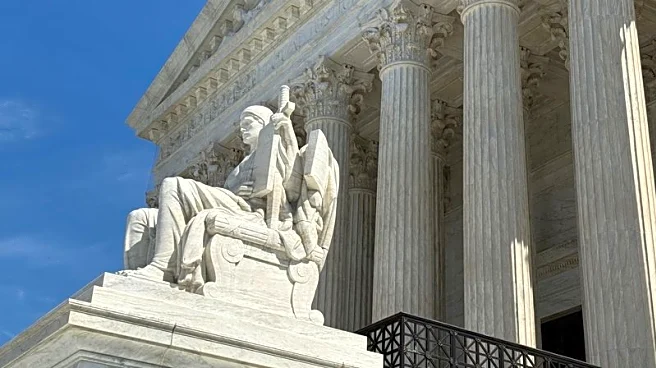
The U.S. Supreme Court has declined to review a case concerning a Texas law that permits law enforcement to arrest journalists who obtain information from government employees. This decision leaves in place a ruling by the 5th Circuit Court, which upheld
the arrest of journalist Priscilla Villarreal, known as 'La Gordiloca,' for publishing stories based on information provided by a police officer. Justice Sonia Sotomayor dissented, arguing that the arrest violated First Amendment rights. The Texas law in question criminalizes soliciting non-public information from public officials, a statute that had not been enforced until Villarreal's case. Despite a Texas court ruling the law unconstitutionally vague, the 5th Circuit granted qualified immunity to the officials involved, reasoning they could have believed they were enforcing the law. The Supreme Court's refusal to hear the case means the 5th Circuit's decision stands.
Why It's Important?
This development is significant as it underscores ongoing tensions between press freedom and law enforcement practices in the U.S. The decision not to review the case may embolden similar laws that could restrict journalistic activities, potentially chilling free speech and investigative reporting. Journalists and media organizations may face increased legal risks when engaging with government sources, impacting their ability to report on public interest issues. The ruling also highlights the broader implications of qualified immunity, which can shield officials from accountability, raising concerns about the balance between enforcing laws and protecting constitutional rights.
What's Next?
The Supreme Court's decision not to intervene leaves the 5th Circuit's ruling as the prevailing legal standard, potentially influencing future cases involving press freedom and government transparency. Journalists and media organizations may need to navigate these legal uncertainties carefully, possibly prompting advocacy for legislative changes to protect press freedoms. The case may also inspire further legal challenges or legislative efforts to address the balance between law enforcement authority and First Amendment rights.