
What's Happening?
A 40-year-old diver sustained injuries in a shark attack approximately 30 nautical miles offshore of Pensacola, Florida, late Tuesday afternoon. The U.S. Coast Guard was alerted to the incident around 4:53 p.m. and promptly dispatched a response boat
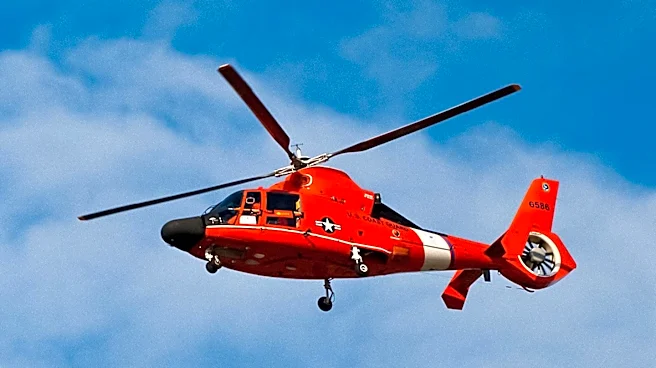
from Station Pensacola. This vessel met the diver's boat approximately 5.5 nautical miles south of Pensacola Pass. The diver, who experienced significant blood loss due to the injuries, was transferred to the Coast Guard response boat, which had three EMTs on board. Following the transfer, a LifeFlight helicopter arrived at NAS Pensacola and transported the injured diver to Sacred Heart Hospital for medical treatment.
Why It's Important?
This incident highlights the inherent risks associated with diving activities in offshore waters, particularly in areas known for marine life. The rapid and coordinated response by the U.S. Coast Guard and LifeFlight demonstrates the critical importance of well-established emergency protocols and resources for maritime incidents. Such events underscore the need for divers and other marine enthusiasts to be aware of their surroundings and to adhere to safety guidelines. For coastal communities like Pensacola, the presence of effective search and rescue operations is vital for ensuring the safety of both residents and tourists engaging in water-based recreation. The swift medical evacuation to Sacred Heart Hospital also emphasizes the crucial role of local healthcare facilities in managing trauma cases resulting from such unpredictable events.
What's Next?
The diver is currently receiving medical attention at Sacred Heart Hospital for the injuries sustained during the shark attack. Further updates on his condition are expected as his treatment progresses. Authorities may issue advisories or reminders regarding marine safety for divers and boaters in the Pensacola offshore area, especially concerning interactions with marine wildlife. The U.S. Coast Guard will likely review the details of the rescue operation to identify any potential improvements in response times or procedures for similar future incidents. The event may also prompt discussions among local diving communities about best practices for shark encounter prevention and response.
Beyond the Headlines
Beyond the immediate rescue, this incident brings to light the broader ecological dynamics of marine environments and the increasing human interaction with them. As more individuals engage in ocean activities, the potential for encounters with wildlife, including sharks, naturally increases. This event could spark renewed public interest in marine conservation and education, emphasizing the importance of understanding and respecting marine ecosystems. It also subtly underscores the psychological impact of such encounters on individuals and the community, potentially influencing perceptions of ocean safety. The incident serves as a stark reminder of the wild and unpredictable nature of the ocean, even in popular recreational areas, and the continuous need for vigilance and preparedness.