

What's Happening?
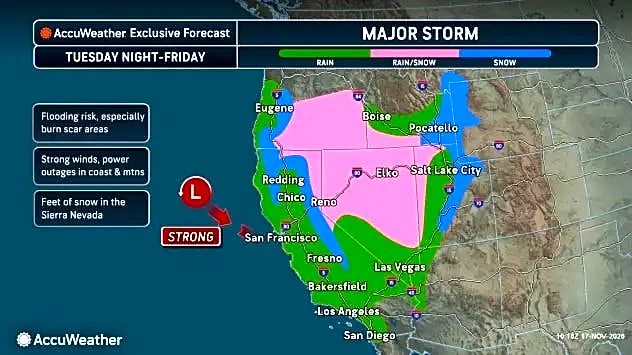
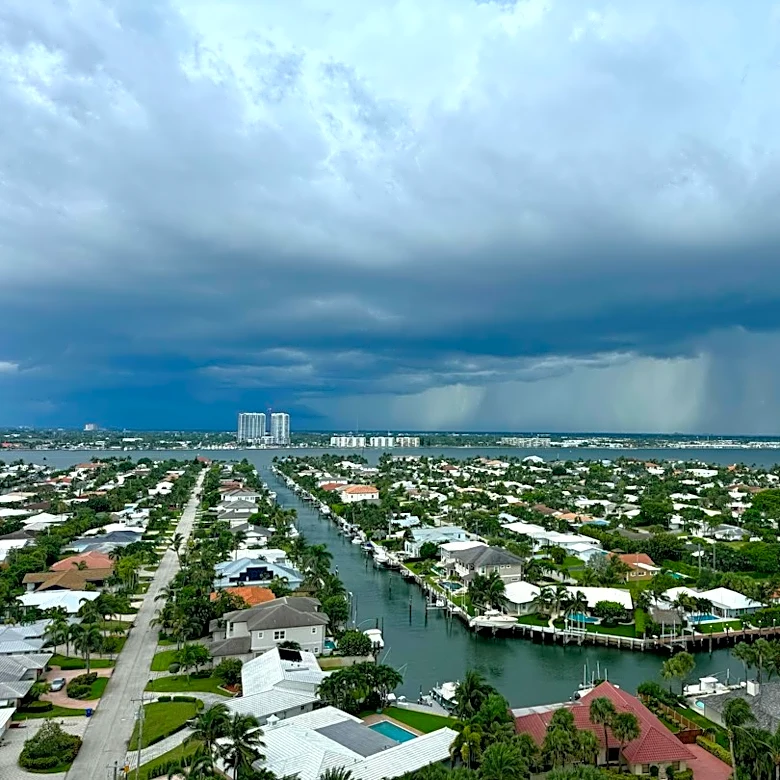
San Francisco and much of Northern California are currently being impacted by a significant atmospheric river storm, bringing heavy rain, strong winds, and a threat of flooding. The storm has led to numerous closures and disruptions across the city. The San Francisco Zoo
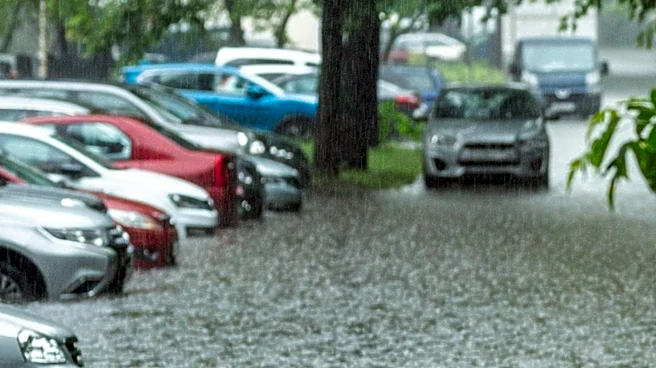
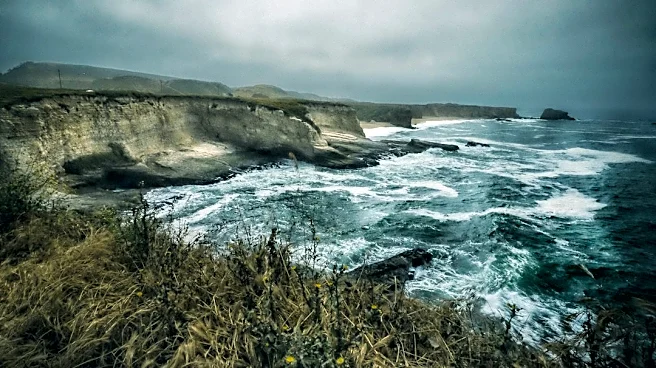
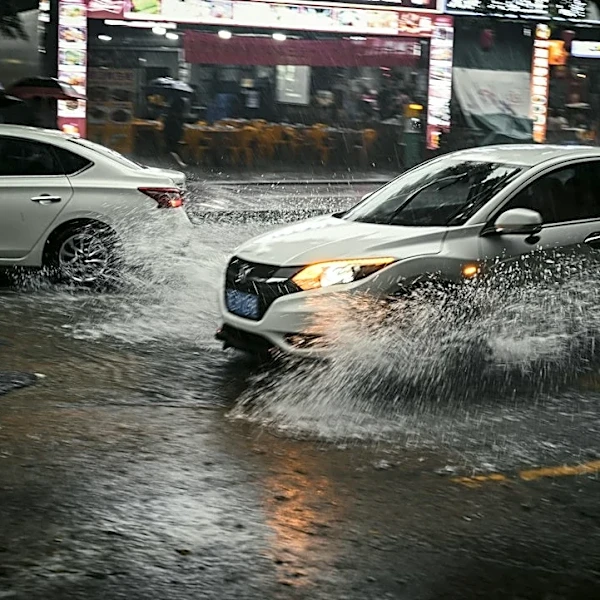
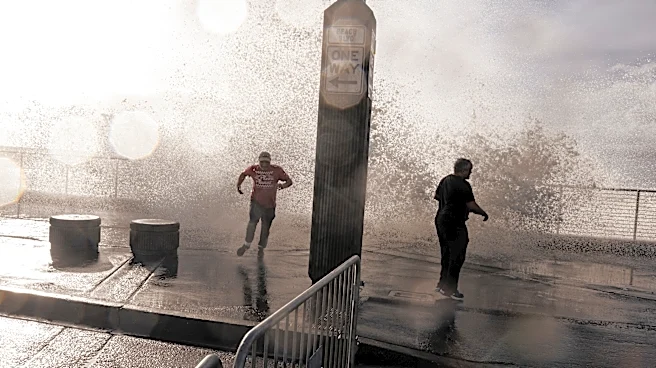
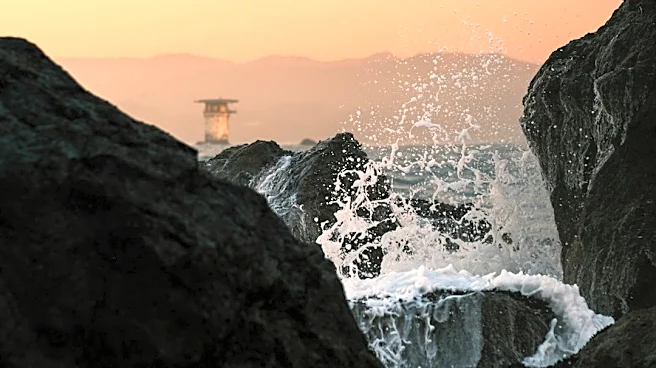
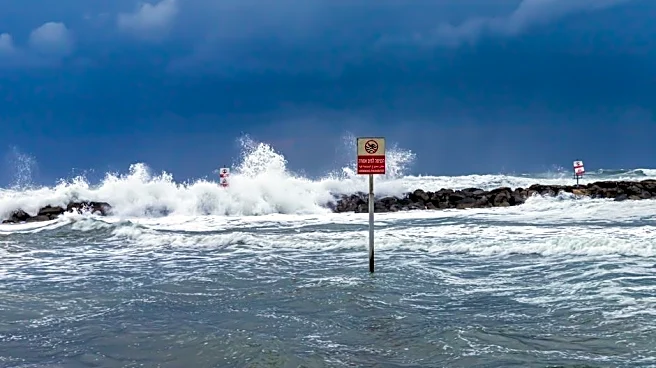
& Gardens, Stern Grove, the Botanical Garden, and the Japanese Tea Garden were all closed due to the severe weather conditions. San Francisco International Airport (SFO) experienced a full ground stop until noon, resulting in over 300 delayed flights and 11 cancellations. Public transportation, including BART and Muni lines, faced delays and reroutes, with some cable car services interrupted by fallen trees. Mayor Daniel Lurie and Fire Chief Dean Crispen issued a warning to electric vehicle users, including those with e-bikes and scooters, to avoid driving through standing saltwater due to the risk of lithium-ion battery fires. The National Weather Service has issued a flood advisory for the Bay Area, anticipating minor nuisance flooding rather than flash flooding, as the ground is not yet saturated. Additionally, a high surf advisory is in effect, warning of waves up to 18 feet along the coast.
Why It's Important?
This storm highlights the vulnerability of urban infrastructure to severe weather events, particularly in coastal regions. The widespread closures of public facilities like zoos and gardens, along with significant disruptions to air and ground transportation, underscore the immediate economic and social costs. The warning regarding electric vehicles and saltwater exposure points to emerging safety concerns in an increasingly electrified transportation landscape, potentially leading to new public safety guidelines or technological adaptations for vehicles in flood-prone areas. The storm's impact on daily life, from school closures at San Francisco State University to power outages affecting thousands, demonstrates the broad reach of such weather phenomena. Furthermore, the ongoing nature of these events, potentially exacerbated by climate patterns like El Niño, suggests a need for enhanced urban resilience and emergency preparedness strategies to mitigate future impacts on residents and businesses.
What's Next?
The storm is expected to continue affecting the Bay Area, with forecasters predicting additional rainfall and potential thunderstorms. City officials and park staff will continue to monitor conditions, with facilities like parks and gardens reopening only after safety inspections are completed. Residents are advised to remain vigilant for downed trees, mudslides, power outages, and road closures. Transportation services will likely experience continued disruptions until weather conditions improve and infrastructure can be fully assessed and cleared. The warnings regarding electric vehicles may prompt further public awareness campaigns or advisories from local authorities. As the region faces a potentially wetter winter due to El Niño, there will be an ongoing focus on flood prevention and emergency response measures to manage successive storm systems.
Beyond the Headlines
The recurring nature of severe weather events like this atmospheric river storm in California points to broader discussions around climate change adaptation and urban planning. The specific warning about electric vehicle batteries and saltwater exposure introduces a novel safety challenge that could influence future vehicle design standards and urban infrastructure development, particularly in coastal cities. This incident also underscores the importance of robust public communication systems during emergencies, as timely warnings about road conditions, closures, and specific hazards like battery fires are crucial for public safety. The economic impact on local businesses, from tourism to daily commerce, could be significant if such events become more frequent, prompting a reevaluation of business continuity plans and insurance models. Long-term, these events may accelerate investments in resilient infrastructure and early warning systems to better protect communities and critical services.