







What's Happening?
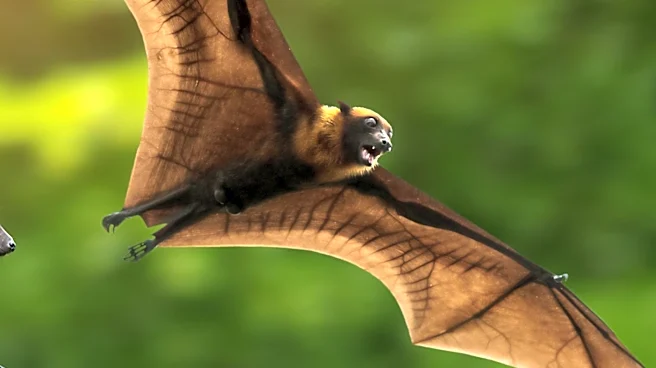
The Mobile County Health Department (MCHD) has issued a public alert regarding an increase in human exposure to rabid or potentially rabid animals, specifically bats, in Baldwin County, Alabama. Several individuals have sought treatment at local emergency
rooms for bat bites sustained at different residences within the county. None of the bats involved in these incidents were submitted for rabies testing, necessitating that all affected patients undergo post-exposure treatment. Rabies is a viral infection transmitted through contact with infected saliva, typically via bites or scratches, and is fatal if left untreated. The MCHD emphasizes that anyone bitten by a bat requires post-exposure treatment unless the bat tests negative for rabies. This follows a health alert network message sent to healthcare providers in September, stressing the importance of thorough rabies risk assessments and strict adherence to evidence-based guidelines for post-exposure prophylaxis (PEP) administration.
Why It's Important?
This situation highlights a significant public health concern in Baldwin County, as untreated rabies is invariably fatal. The lack of rabies testing for the bats involved in these incidents means that individuals exposed must undergo a series of costly and potentially uncomfortable post-exposure treatments to prevent the disease. This places a burden on the healthcare system and individuals, underscoring the importance of public awareness regarding wildlife interactions. The MCHD's alert serves as a critical reminder for residents to exercise caution around bats and other wildlife, and to seek immediate medical attention following any potential exposure. The broader implication is the need for robust public health infrastructure to manage and prevent zoonotic diseases, especially in areas where human-wildlife interfaces are common.
What's Next?
The Mobile County Health Department advises anyone exposed to a bat to consult a medical provider immediately, without waiting for symptoms to develop. Healthcare providers will evaluate the risk to determine if post-exposure prophylaxis (PEP) is necessary. The Alabama Department of Public Health (ADPH) continues to caution the public against handling bats or other wildlife with bare hands and recommends avoiding contact with abnormally behaving animals. Residents are encouraged to teach children to report any bites, scratches, or contact with wild or unfamiliar animals. If a bat is found in living quarters and no human or pet exposure is suspected, it should be confined to a room with open exits to the outside, allowing it to leave. If exposure is possible, the bat should be safely captured for testing if feasible.
Beyond the Headlines
The recurring issue of bat-related rabies exposure underscores a broader ecological and public health challenge. Bats, while crucial to ecosystems, are known carriers of rabies, and their increasing proximity to human habitats due to urbanization or other factors can elevate exposure risks. This situation also brings to light the ethical considerations surrounding wildlife management and public safety. The emphasis on capturing bats for testing, rather than immediate release, reflects a pragmatic approach to disease prevention, balancing ecological concerns with human health imperatives. Furthermore, the need for public education on safe wildlife interaction and the importance of prompt medical intervention after potential exposure remains a continuous effort for public health agencies, aiming to prevent tragic outcomes from a preventable disease.