


What's Happening?
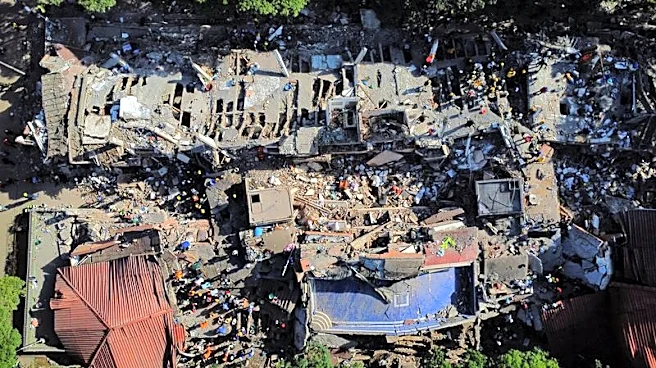
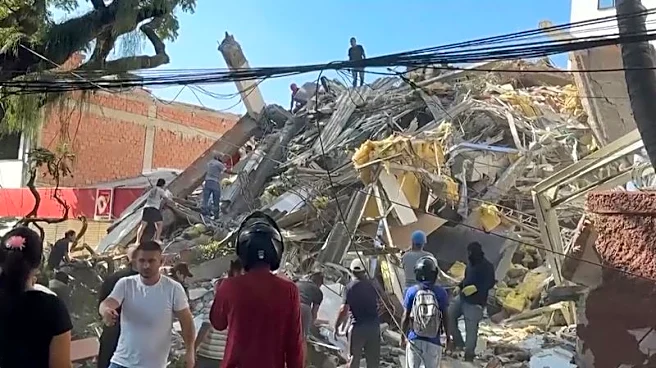
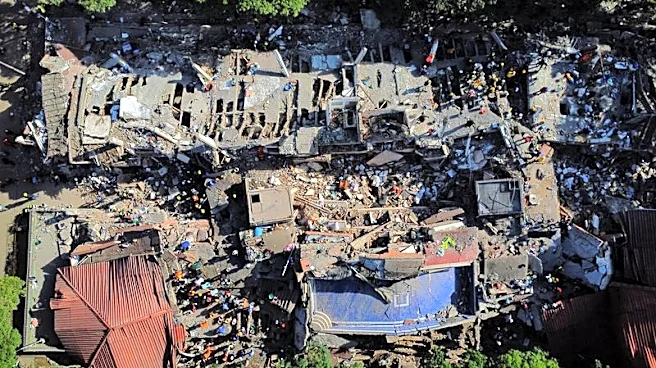
A magnitude 7.4 earthquake struck Colombia, with its epicenter near San José del Palmar in the Chocó department, causing widespread destruction and loss of life. The tremor was felt across large parts of Colombia and neighboring countries, including Panama,
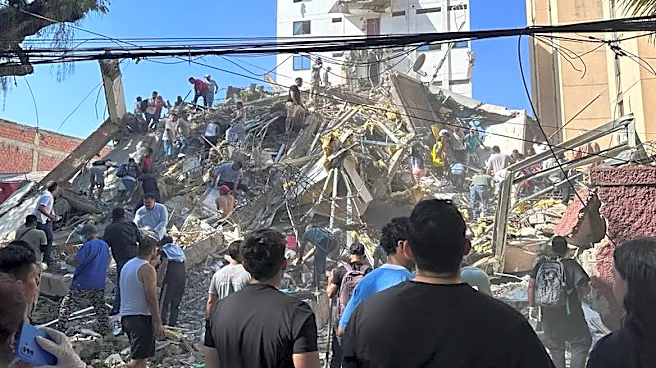
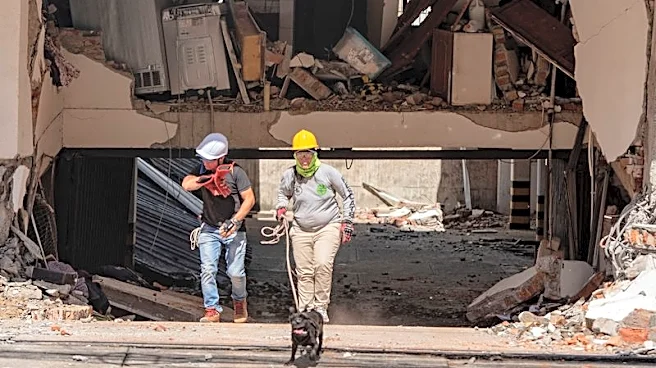
Ecuador, and Venezuela. Initial reports indicate significant damage, with 1,575 homes damaged, 37 destroyed, and 61 buildings collapsed. The earthquake has also affected 18 health centers and 52 educational facilities. The Colombian government has activated emergency response mechanisms, focusing on search and rescue operations, particularly in hard-hit areas like Pereira and Cali. Several UN agencies, including the World Food Programme (WFP), Pan American Health Organization (PAHO), and the International Organization for Migration (IOM), have expressed readiness to assist, pending a government request. The UN is coordinating with national authorities to assess the situation and mobilize necessary aid.
Why It's Important?
The earthquake's impact on Colombia is significant, affecting infrastructure, health services, and the safety of thousands of residents. The involvement of UN agencies highlights the international community's role in disaster response and the importance of coordinated efforts to address humanitarian needs. The situation underscores the vulnerability of regions prone to natural disasters and the critical need for effective emergency preparedness and response strategies. The earthquake's aftermath could strain Colombia's resources, necessitating international support to rebuild and recover. The potential for increased gender-based violence and health service disruptions, as noted by the United Nations Population Fund (UNFPA), further emphasizes the need for comprehensive aid that addresses both immediate and long-term needs.
What's Next?
The Colombian government and UN agencies will continue to assess the full extent of the damage and humanitarian needs. As search and rescue operations proceed, there will be a focus on providing immediate relief to affected communities, including food, shelter, and medical care. The international community may increase its support, with potential financial aid and resources to assist in recovery efforts. Long-term rebuilding plans will likely be developed to restore infrastructure and services, with an emphasis on improving disaster resilience. Monitoring and support from organizations like the IOM will be crucial in addressing displacement and ensuring the safety and well-being of vulnerable populations.