




What's Happening?
Kansas ranchers and their representatives in the U.S. Senate have voiced skepticism regarding President Trump's plan to temporarily ease tariffs on beef imports for 90 days. This initiative aims to moderate domestic grocery prices ahead of the midterm
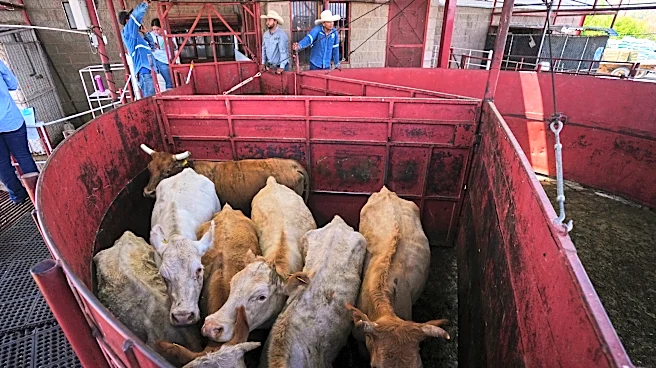
election in November. President Trump vowed to authorize the importation of 330,000 tons of ground beef, detached from tariffs linked to quotas, with an expectation that exporting countries would sell the meat at 25% below market rates. Glenn Brunkow, president of the Kansas Farm Bureau, warned that such market manipulation could harm both farmers and consumers, stating that selling foreign beef below market prices is "bad for consumers, destructive for ranchers and anti-American in principle." U.S. Sen. Jerry Moran, a Republican from Kansas, echoed this sentiment, arguing that Trump's approach contradicts free-market principles and would exert economic pressure on livestock producers. Sen. Moran urged the president to "halt this action, listen to ranchers and let the free market work."
Why It's Important?
This plan is highly significant for the U.S. agricultural sector, particularly beef producers. The proposed influx of tariff-free, discounted foreign beef could depress domestic beef prices, directly impacting the profitability of American ranchers who are already contending with the smallest U.S. cattle herd in 75 years. This could lead to financial hardship for many family farms and ranches, potentially driving some out of business. For consumers, while the immediate goal is lower grocery prices, the long-term effect could be a weakened domestic beef industry, making the U.S. more reliant on foreign imports and potentially leading to less stable prices in the future. The political implications are also notable, as it highlights a tension between short-term consumer relief and the long-term health of a vital domestic industry, drawing criticism from within the President's own party and from agricultural leaders.
What's Next?
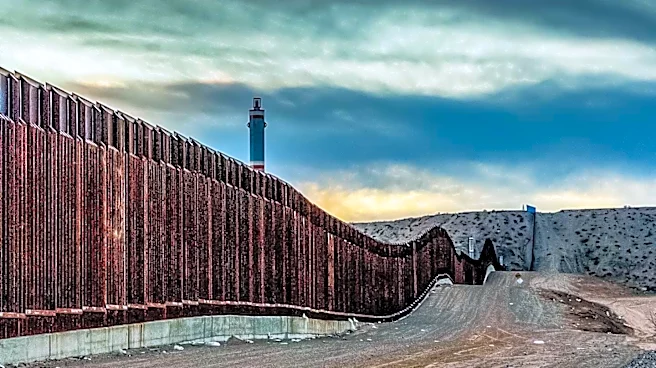
President Trump's administration has not yet clarified which countries would supply the beef, where it would be sold domestically, or how the 25% discount would be applied. The plan's implementation is expected to proceed, potentially leading to a temporary reduction in beef prices for consumers. However, the skepticism from Kansas agricultural and political leaders suggests continued pressure on the administration to reconsider or modify the plan. Ranchers and their advocates will likely monitor the market closely for impacts on beef prices and producer profitability. The debate over this policy could also become a significant issue in the upcoming midterm elections, with candidates potentially using it to highlight their support for domestic industries or their commitment to consumer affordability. The administration also opened the U.S. border in Arizona to cattle imports from Mexico, citing a diminished threat of screwworm.
Beyond the Headlines
This policy intervention by President Trump delves into the complex interplay between trade policy, domestic agricultural economics, and political strategy. The move to import discounted beef, ostensibly to lower grocery prices, could be seen as a short-term political maneuver to address inflation concerns ahead of elections, potentially at the expense of long-term agricultural stability. It raises ethical questions about the government's role in manipulating markets and the fairness to domestic producers who have invested heavily in their operations. The criticism from within the Republican party, particularly from agricultural states like Kansas, underscores the deep divisions that can arise when economic policies impact specific industries. This situation could also reignite discussions about food sovereignty, the importance of supporting local producers, and the broader implications of global trade agreements on national food security and economic resilience.