







What's Happening?
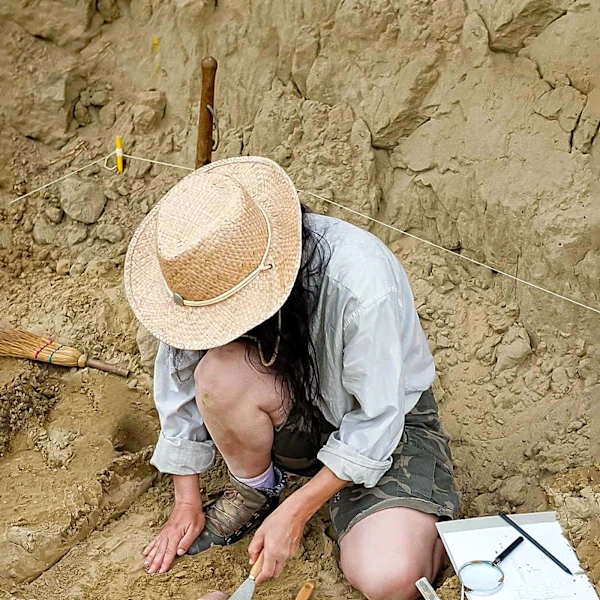
Research involving 18 global experts has delved into the extensive history of human interaction with tuna, tracing back 44,000 years. This study utilized diverse sources, including archaeological skeletal remains, ancient rock art, historical records,
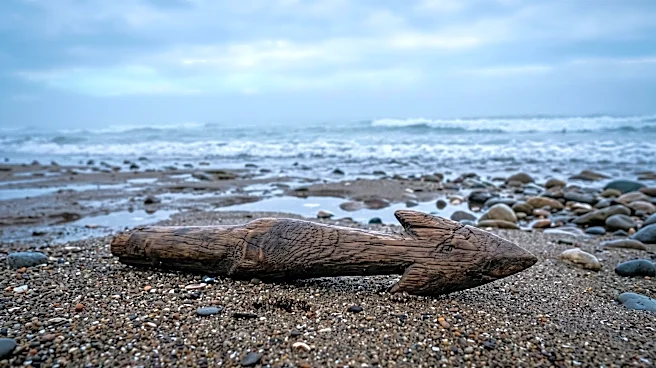
and ethnographic accounts from Indigenous communities. The findings indicate that the earliest definitive evidence of tuna fishing, specifically skipjack tuna, comes from East Timor in Southeast Asia. While most regions show evidence of tuna fishing starting around 10,000 years ago, ancient fishers in Japan and Korea began harvesting tuna at least 7,000 years ago, developing a rich culinary tradition. The northeastern Atlantic Ocean and Mediterranean Sea also host one of the oldest and most significant tuna fisheries, focusing on Atlantic bluefin tuna, with evidence dating back 9,000 to 11,000 years in Greece. Indigenous communities on North America's northwest coast, particularly in Nuu-chah-nulth territory, maintained a complex fishery for Pacific bluefin tuna for over 5,000 years, employing methods like luring tuna with fires in canoes and harpooning them. In Southern California, Indigenous fishers caught various tuna species around Santa Catalina Island for 6,000 years.
Why It's Important?
This historical perspective on tuna harvesting is crucial for understanding the long-term human impact on marine ecosystems and for informing contemporary conservation efforts. The research highlights the vast difference in scale between ancient and modern tuna harvests; ancient fisheries, even the largest in the Mediterranean, likely removed only thousands of tons over millennia, a stark contrast to the millions of tons harvested annually today. This dramatic increase in exploitation over a relatively short period raises critical questions about the sustainability of current practices. By examining historical methods and their ecological footprints, scientists can better assess the consequences of modern industrial fishing and develop more effective management strategies. The study underscores the human capacity for innovation in fishing techniques throughout history, suggesting that similar ingenuity, combined with international cooperation and science-based management, could help stabilize global tuna stocks. Understanding the deep history of tuna fishing provides a benchmark for evaluating the health of tuna populations and the efficacy of current conservation measures, especially given that several commercially important tuna species remain endangered or vulnerable.
What's Next?
The insights gained from this extensive historical analysis are expected to inform future discussions and policies regarding sustainable tuna management. The stark contrast between historical and modern harvest levels will likely prompt further examination of current fishing quotas and practices. Researchers and policymakers may use this data to advocate for more stringent regulations and international collaborations aimed at preventing the collapse of tuna populations. The study's emphasis on the human capacity for innovation suggests that new, sustainable fishing technologies and management approaches could be developed. Additionally, the findings could encourage a re-evaluation of how historical ecological data is integrated into contemporary conservation models, potentially leading to more holistic and effective strategies for marine resource management. The ongoing challenge will be to balance the economic demands of a global $40 billion industry with the ecological imperative to protect these vital ocean predators.
Beyond the Headlines
The study's findings extend beyond mere historical data, offering profound implications for our understanding of human-environment interactions and the long-term sustainability of natural resources. The cultural significance of tuna, evident in ancient art, religious offerings, and culinary traditions across diverse civilizations, highlights its deep-rooted importance to human societies. This cultural connection underscores the ethical dimension of current overfishing, as it not only threatens a species but also erodes a shared heritage. The research also implicitly critiques the modern tendency to benchmark ecological health against recent decades (e.g., post-1950), arguing that a much deeper historical perspective is necessary to truly understand the natural abundance and resilience of species like tuna. This broader historical lens reveals how human technological advancements, while enabling massive harvests, have also created an unprecedented ecological imbalance. The study serves as a powerful reminder that sustainable practices are not just about future innovation but also about learning from the past and respecting the long-standing ecological relationships that have sustained both humans and marine life for millennia.