

What's Happening?
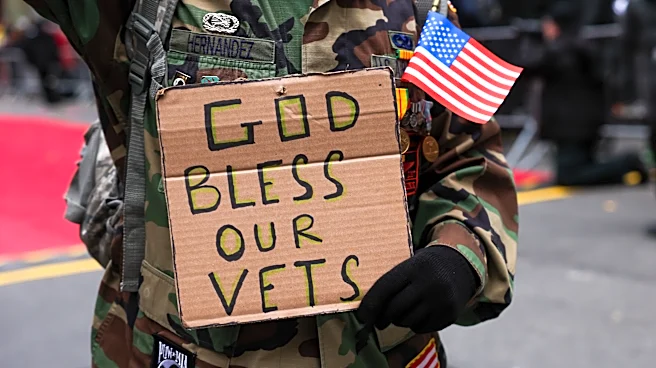
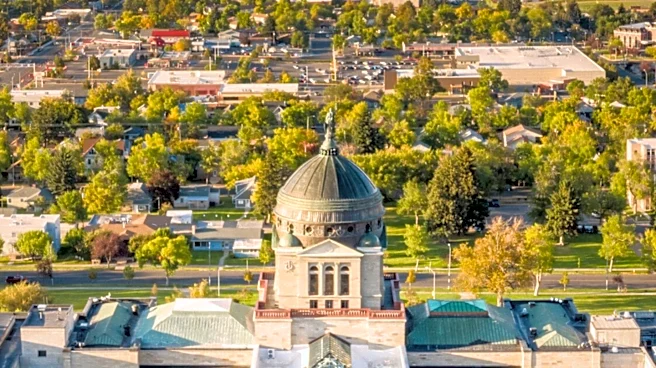
Senator Steve Daines, R-Mont., sent a message that was read aloud at a Veterans Day ceremony in Bozeman, Montana. The event honored U.S. service members, particularly Vietnam War veterans, and reflected on the improved respect they receive today compared
to their return from conflict. The ceremony included a free breakfast for veterans, a service at Sunset Hills Cemetery near the Veterans Memorial Wall and Vietnam Wall, and a flyover of three small planes, including two Cessna O-1 Bird Dogs used in the Vietnam War. Over 100 veterans and civilians attended the event, which featured an invocation, a performance by the honor guard, and a rifle drill team from the Montana State University Reserve Officers’ Training Corps. Iraq veteran and Bozeman artist Jesse Albrecht also spoke, emphasizing the importance of seeking help for struggles faced by veterans. Senator Daines' message highlighted the lasting contributions and sacrifices of service members, stating, “Every day we are the beneficiaries of your personal service and sacrifice. The contributions of these men and women are felt long after their time in uniform as they continue to lead and serve.”
Why It's Important?
Senator Daines' participation, even in absentia, underscores the continued political recognition and support for veterans' affairs. His message reinforces the national sentiment of gratitude towards those who have served, particularly as the nation reflects on the historical treatment of Vietnam veterans. The ceremony itself serves as a vital community event that fosters camaraderie among veterans and educates the public on the sacrifices made by service members. The contrast between the reception of Vietnam veterans upon their return and the current widespread appreciation highlights a significant societal shift in how military personnel are viewed and honored. This improved respect is crucial for the well-being of veterans, promoting their reintegration into civilian life and ensuring they receive the support they need. Such events also play a role in shaping public discourse around military service and national duty.
What's Next?
The continued emphasis on honoring veterans, as demonstrated by Senator Daines' message and the Bozeman ceremony, suggests ongoing efforts to support military personnel and their families. Future initiatives may include legislative actions aimed at improving veterans' benefits, healthcare, and mental health services. Community-led events like the Veterans Day ceremony are likely to continue, serving as platforms for remembrance, appreciation, and support. Political leaders and veteran organizations will likely maintain their focus on ensuring that the sacrifices of service members are not forgotten and that their needs are adequately addressed. The dialogue surrounding veterans' issues, including the historical context of past conflicts, will likely persist, contributing to a more informed and empathetic public understanding of military service.
Beyond the Headlines
The evolving public perception of veterans, particularly the shift from the Vietnam era to the present, reflects broader societal changes in national identity and collective memory. The initial negative reception of Vietnam veterans was a symptom of deep societal divisions and anti-war sentiment, which inadvertently impacted those who served. The current widespread respect signifies a healing of these historical wounds and a more nuanced understanding of the distinction between political decisions and the duty of service members. This shift has profound implications for national unity and how future generations view military service. It also highlights the importance of historical reflection in shaping contemporary values and policies. The ongoing efforts to honor veterans contribute to a national narrative that values service and sacrifice, fostering a sense of collective responsibility towards those who have defended the country.