






What's Happening?
The reputation of ultraprocessed foods (UPFs) is under scrutiny in the U.S., with studies linking them to various chronic diseases and some public health experts advocating for a global reduction in their production and consumption. However, the debate
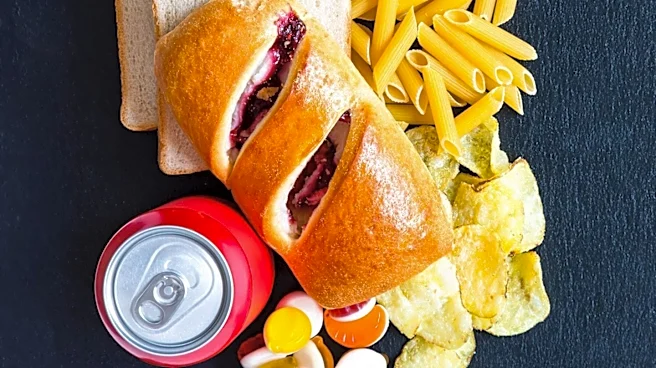
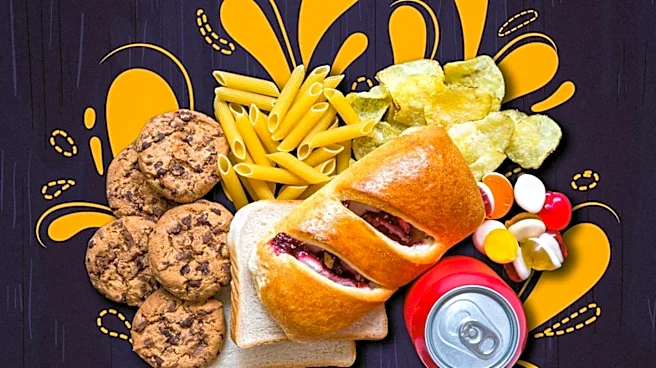
is complex, with researchers like Garrett M. Broad highlighting the ambiguity and subjectivity in defining 'ultraprocessed.' The NOVA classification system, developed by Brazilian epidemiologist Carlos Monteiro, categorizes foods based on their processing level, with Category 4 defining UPFs as industrially manufactured products often containing ingredients not found in home kitchens. While many studies correlate higher UPF consumption with increased risk of chronic diseases and early death, some findings are mixed. For instance, certain UPFs like sweetened beverages and processed meats are consistently linked to negative health outcomes, while others, such as breads, cold cereals, and yogurt, show correlations with lower rates of health problems. Some UPFs, like sauces and frozen dinners, show no consistent links to health. The definition's trickiness is exemplified by a home-baked cake (NOVA Category 3) becoming ultraprocessed (NOVA Category 4) if industrially manufactured with a commercial preservative, even if nutritionally identical.
Why It's Important?
The ongoing debate surrounding ultraprocessed foods has significant implications for public health, the food industry, and consumer behavior in the U.S. The widespread consumption of UPFs, which account for over 50% of total calories in the U.S., underscores the potential health crisis if negative correlations are definitively proven. The ambiguity in defining UPFs creates challenges for policymakers in developing effective dietary guidelines and for consumers in making informed food choices. If the scientific community reaches a consensus on the harmful effects of UPFs, it could lead to stricter regulations on food manufacturing, marketing, and labeling, impacting major food corporations and their product lines. Conversely, if the focus remains solely on nutrient profiles rather than processing levels, it could perpetuate the consumption of nutritionally poor but technically 'processed' foods. The discussion also touches upon the socio-economic aspect, as many families rely on the convenience and affordability of UPFs, making a wholesale rejection potentially difficult for vulnerable populations.
Beyond the Headlines
Beyond the immediate health concerns, the discourse around ultraprocessed foods delves into deeper ethical and economic considerations. The argument that UPFs are a symptom of an unsustainable industrial food system dominated by a few corporations suggests a need for systemic change rather than just individual dietary adjustments. This perspective challenges the current business models of large food manufacturers, pushing for a re-evaluation of how food is produced, distributed, and marketed. The potential for vilifying UPFs also raises concerns about creating unnecessary fear and promoting disordered eating, especially when some ultraprocessed products, like baby formula, are designed for clinical nutrition. The debate highlights the tension between scientific rigor, public health advocacy, and the economic realities of the food industry, prompting questions about who benefits from the current food system and who bears the costs, both in terms of health and environmental impact.