



What's Happening?
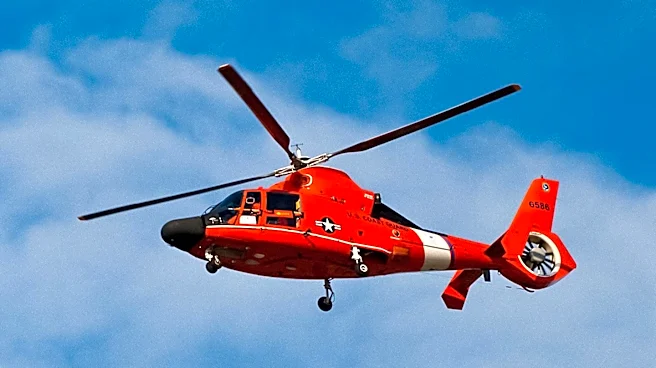
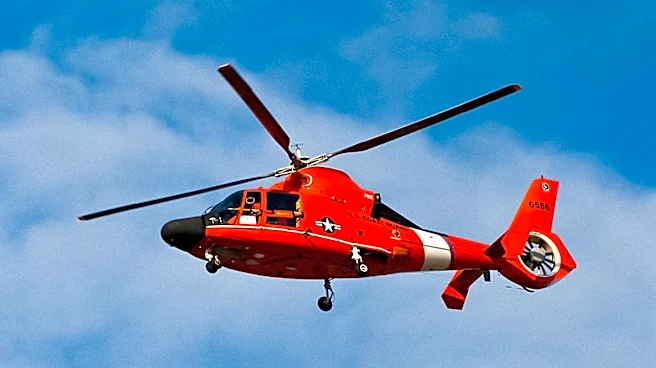
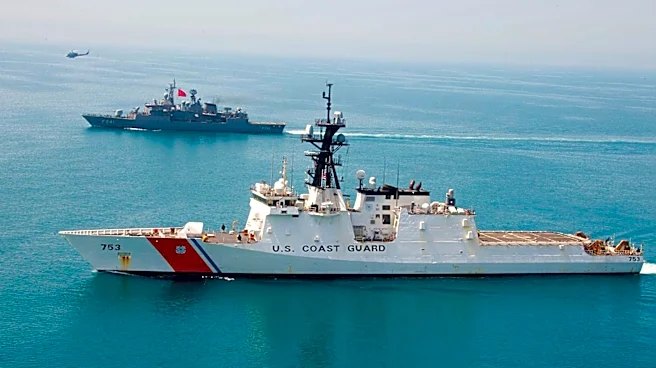
The US Coast Guard (USCG) has suspended its search for a 72-year-old British woman who went missing from Tui's Marella Voyager cruise ship while it was crossing the Atlantic. The woman was last seen on Monday, November 9, and her disappearance was noted
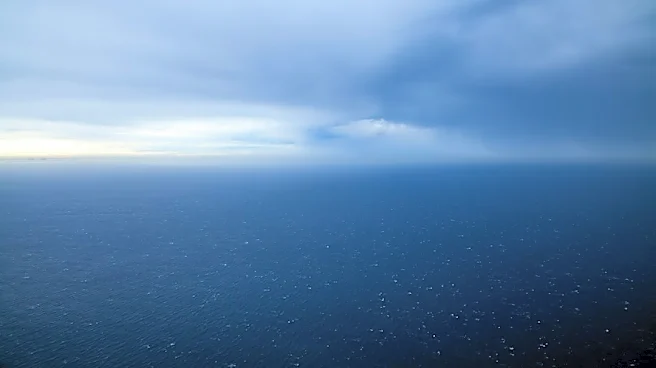
on Tuesday evening when a cabin steward found her bed untouched. The ship was approximately 500 nautical miles from the area where she is believed to have entered the water when the missing report was received. The USCG, in coordination with international search and rescue partners, initiated a search effort, but it was called off on Wednesday. Factors contributing to the suspension included the extensive search area, the elapsed time between the presumed incident and notification, the lack of available search assets in the remote location, negative results from maritime broadcasts, the sea state, and the low likelihood of survival. The woman is believed to have gone overboard in a remote area of the North Atlantic, roughly 1,400 nautical miles from Bermuda.
Why It's Important?
This incident highlights the significant challenges and complexities involved in maritime search and rescue operations, particularly in vast and remote ocean areas. The decision by the USCG to suspend the search underscores the practical limitations faced by authorities when a person goes missing far from shore, emphasizing the critical role of early detection and notification in such cases. For the cruise industry, such incidents can raise questions about passenger safety protocols, monitoring systems, and the speed of response. While the USCG asked the ship to continue its journey rather than return to the search area, this decision reflects a calculated assessment of the low probability of survival given the circumstances, rather than a lack of concern. The event also brings attention to the emotional toll on fellow passengers and crew, as an emergency headcount was conducted on board, disrupting the cruise experience.
What's Next?
With the search suspended, the focus will likely shift to supporting the family of the missing woman, as indicated by the UK Foreign Office. Marella Cruises has stated it is cooperating with authorities and is deeply saddened by the disappearance. While the immediate search operations have concluded, investigations into the circumstances surrounding the woman's disappearance may continue. This could involve reviewing ship logs, security footage, and interviewing witnesses to understand how and when she might have gone overboard. The incident may also prompt internal reviews within Tui and Marella Cruises regarding their passenger monitoring procedures and emergency response protocols for similar situations in the future. There is no indication of further active search efforts by the USCG.
Beyond the Headlines
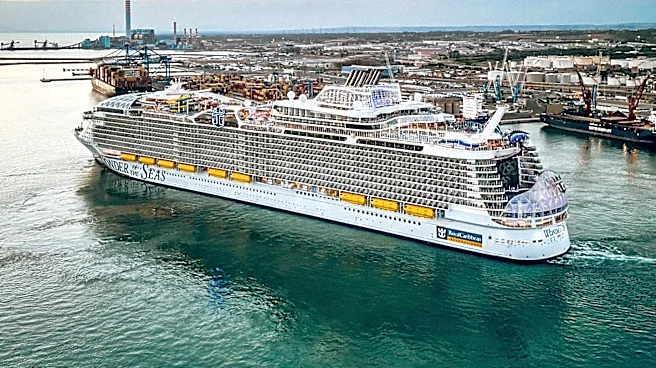
The incident, alongside a separate case of a Royal Caribbean employee rescued after falling overboard near Catalina Island, brings to light the inherent risks associated with sea travel, even on modern cruise ships. It underscores the vastness and unforgiving nature of the open ocean, where survival rates diminish rapidly with time, especially in remote areas. The USCG's decision-making process, balancing humanitarian concerns with practical limitations and survival probabilities, reflects a difficult but necessary aspect of maritime rescue. These events also subtly highlight the reliance on other vessels for assistance in remote areas, as the USCG issued alerts to nearby ships, though none were in the vicinity. The emotional impact on passengers and crew, who were subjected to an emergency headcount, also points to the psychological dimensions of such incidents on board a confined vessel.