





What's Happening?
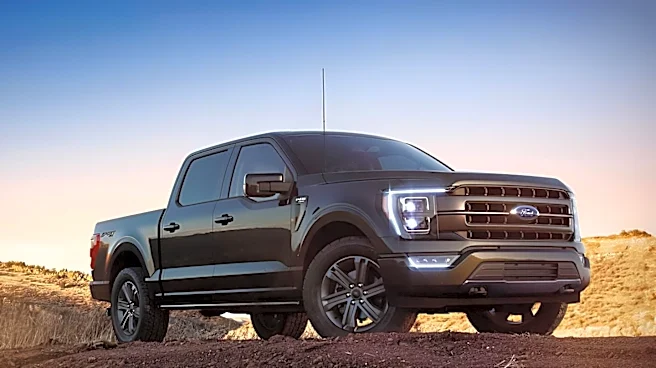
Ford is initiating a recall of more than 40,000 vehicles, including specific models of the 2025-2027 Ford Expedition and 2026 Ford F-250 SD, F-350 SD, F-450 SD, and F-550 SD. The recall is prompted by a headlight defect identified by federal regulators.
According to the National Highway Traffic Safety Administration (NHTSA), the exterior lighting issue stems from contaminated LED chips within the headlight assemblies. This contamination can lead to a loss of daytime running lights, parking lights, high beams, or low beams. Such a malfunction significantly reduces driver visibility and makes the vehicle less visible to others on the road, thereby increasing the risk of a crash. Drivers experiencing this issue will see a dashboard indicator light illuminate for inoperative low beam and/or high beam headlamps. Dealers will inspect and replace the affected headlight assemblies at no cost to the owners, with notification letters expected to be mailed by October 26.
Why It's Important?
This recall is important for several reasons, primarily concerning public safety and consumer confidence in the automotive industry. The potential for reduced visibility due to faulty headlights directly impacts road safety, increasing the likelihood of accidents for both the affected Ford vehicle owners and other motorists. For Ford, this recall represents a significant logistical and financial undertaking, requiring the company to allocate resources for inspections and replacements. It also underscores the critical role of regulatory bodies like the NHTSA in identifying and addressing manufacturing defects that could compromise safety standards. From a broader economic perspective, frequent recalls can affect a manufacturer's reputation, potentially leading to a decrease in sales or a loss of market share if consumers perceive a decline in product quality. This event highlights the ongoing challenges in automotive manufacturing quality control and the necessity of robust recall processes to mitigate risks to the public.
What's Next?
Following the announcement, Ford will proceed with notifying affected vehicle owners, with letters expected to be mailed by October 26. Owners are advised to contact their Ford dealerships to schedule inspections and, if necessary, headlight assembly replacements, which will be performed free of charge. The NHTSA will continue to monitor the recall process to ensure compliance and effectiveness in addressing the safety defect. Ford will need to manage the supply chain for replacement parts and ensure its dealerships are adequately staffed and prepared to handle the influx of vehicles requiring service. This situation may also prompt Ford to review its manufacturing and quality control processes for headlight components to prevent similar issues in future vehicle models. Consumers who own the affected models should remain vigilant for the notification and promptly address the recall to ensure their safety on the road.
Beyond the Headlines
Beyond the immediate safety concerns, this recall touches upon the broader implications of technological integration in modern vehicles. The defect, stemming from a 'contaminated LED chip,' highlights the intricate and often vulnerable nature of advanced electronic components in automotive systems. As vehicles become more reliant on sophisticated electronics for essential functions like lighting, the potential for widespread recalls due to minor component failures increases. This situation could lead to a re-evaluation of supply chain vetting processes and quality assurance protocols for electronic parts across the automotive industry. Furthermore, it underscores the evolving role of regulatory bodies in overseeing not just mechanical safety but also the reliability of complex electronic systems. The incident serves as a reminder that even seemingly small component flaws can have significant safety ramifications, pushing manufacturers to invest more in comprehensive testing and quality control for all integrated technologies.