








What's Happening?
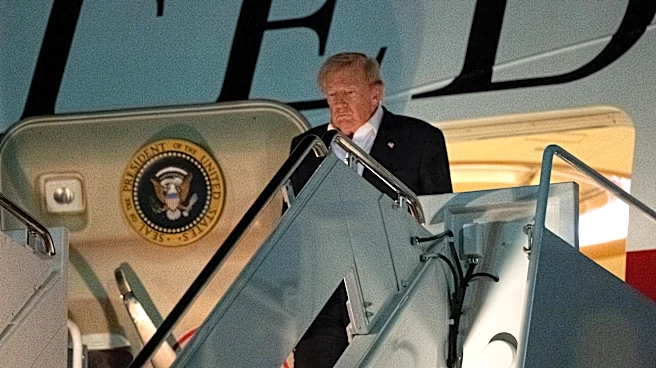
President Donald Trump announced that the tentative ceasefire with Iran has ended, increasing the likelihood of renewed military conflict between the two nations. This development follows recent U.S. strikes against Iran and the revocation of a waiver
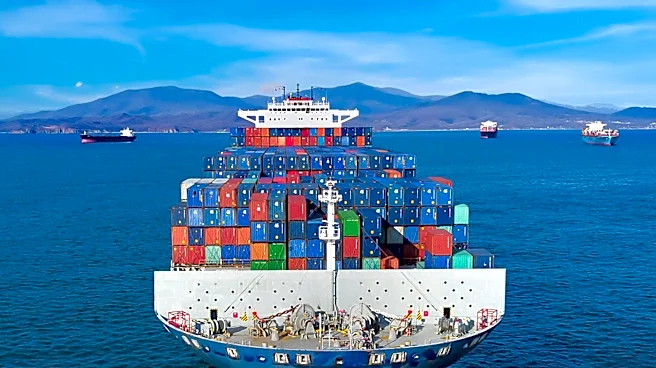
that permitted the sale of Iranian oil. These actions were in response to attacks on commercial vessels in the Strait of Hormuz, which have heightened tensions and tested the fragile peace agreement between the U.S. and Iran. Despite the escalation, Trump indicated that negotiators could continue discussions, although he expressed skepticism about their effectiveness. The situation remains volatile as both countries navigate the aftermath of these developments.
Why It's Important?
The termination of the ceasefire and the resumption of hostilities between the U.S. and Iran could have significant implications for global energy markets and geopolitical stability. The Strait of Hormuz is a critical chokepoint for global oil shipments, and disruptions could lead to increased oil prices, affecting economies worldwide. Additionally, the escalation may impact U.S. domestic politics, as President Trump's handling of the situation could influence public opinion and the upcoming midterm elections. The potential for further military conflict also poses risks to regional stability in the Middle East, with possible repercussions for U.S. allies and interests in the region.
What's Next?
Negotiations between the U.S. and Iran may continue, but the path forward is uncertain given the recent escalation. The international community, including countries like Qatar, may play a role in facilitating dialogue to prevent further conflict. The U.S. administration will need to balance military actions with diplomatic efforts to achieve a sustainable resolution. Meanwhile, Iran's response to the U.S. strikes and the revocation of the oil waiver will be closely watched, as it could influence the trajectory of the conflict and the prospects for peace.