






What's Happening?
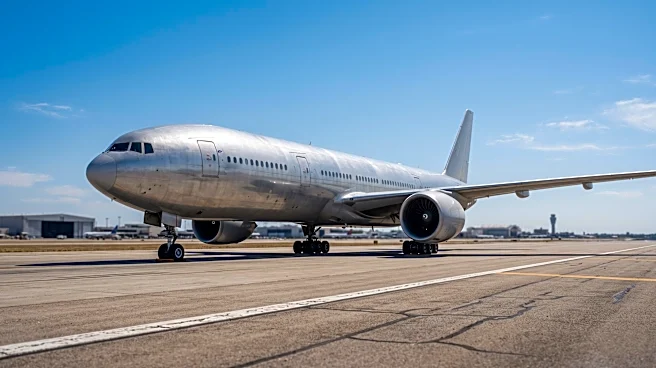
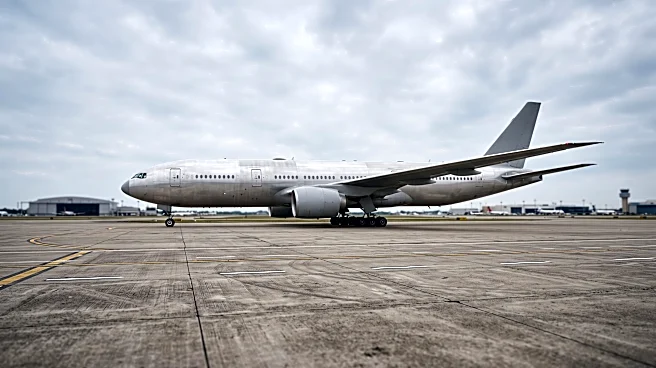
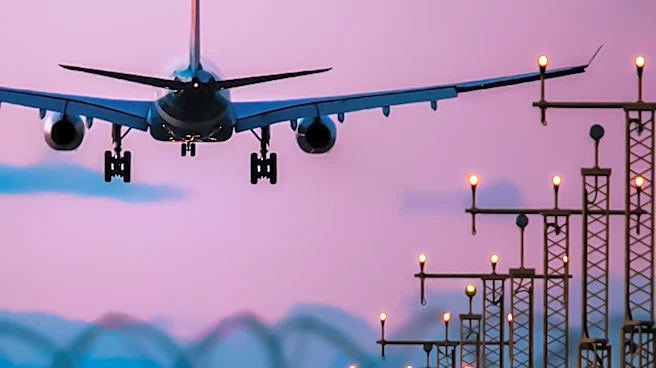
On Friday, November 13, a passenger aircraft traveling from Prague to Warsaw was forced to abort its landing at Frederic Chopin Airport. The incident occurred when a drone appeared on the approach path as the plane was at a low altitude, preparing to land.
The pilot immediately initiated a go-around, increasing engine thrust and climbing to regain altitude. After approximately 15 minutes of circling over Warsaw, the aircraft successfully landed on its second attempt, with no injuries reported among passengers or crew. Warsaw airport spokesman Piotr Rudzki confirmed the event, stating that flight safety was not compromised and the crew followed standard aviation safety procedures. Drone flights are strictly restricted in the vicinity of Chopin Airport, requiring explicit permission from the Polish Air Navigation Services Agency. Violations of these regulations can lead to criminal charges, including up to five years of imprisonment for endangering air traffic. The identity of the drone operator remains unknown, and Polish authorities have not reported any arrests.
Why It's Important?
This incident highlights the growing threat that unauthorized drone operations pose to aviation safety worldwide. The disruption of a commercial flight, even without direct physical harm, underscores the potential for catastrophic accidents if a drone collides with an aircraft. Such occurrences can lead to significant delays, increased operational costs for airlines, and heightened anxiety among the traveling public. For airport authorities and air navigation services, managing drone incursions adds another layer of complexity to air traffic control and security protocols. The legal framework in Poland, which imposes severe penalties for endangering air traffic, reflects the seriousness with which such incidents are viewed. However, the challenge lies in identifying and apprehending drone operators, especially those who may be operating maliciously or negligently. This event serves as a reminder of the need for robust counter-drone technologies and stricter enforcement mechanisms to protect airspace around critical infrastructure like airports.
What's Next?
Polish authorities are expected to continue their investigation to identify the drone operator responsible for disrupting the flight at Frederic Chopin Airport. This will likely involve reviewing radar data, witness accounts, and any available surveillance footage from the airport vicinity. The incident may prompt further discussions among aviation regulators and security agencies regarding enhanced measures to detect and mitigate drone threats around airports. This could include the deployment of more advanced drone detection systems, such as radar, acoustic sensors, or radio frequency scanners, as well as potential counter-drone technologies like jammers or net guns, though these often come with regulatory and safety challenges. Additionally, public awareness campaigns about the dangers and legal consequences of unauthorized drone flights near airports might be intensified to deter future incidents. The aviation industry may also explore further collaboration with technology developers to find more effective and safe solutions for drone management in controlled airspace.
Beyond the Headlines
The increasing frequency of drone-related disruptions at airports points to a broader societal challenge concerning the proliferation of unmanned aerial vehicles and the need for responsible usage. Beyond the immediate safety concerns, these incidents raise questions about privacy, surveillance, and potential malicious use by individuals or groups. The ease of access to consumer drones, combined with a lack of understanding or disregard for aviation regulations, creates a complex regulatory and enforcement environment. This event could also spur innovation in drone technology itself, leading to the development of 'geo-fencing' capabilities that prevent drones from entering restricted airspace, or 'remote identification' systems that allow authorities to track drone operators. The incident at Warsaw's Chopin Airport is not isolated; it is part of a global trend that necessitates a multi-faceted approach involving technological solutions, legislative reforms, public education, and international cooperation to ensure the safety and security of air travel in an era of widespread drone use.