






What's Happening?
The U.S. Postal Service (USPS) is facing a severe financial crisis, with Postmaster General David Steiner warning that the agency could run out of cash within a year without congressional intervention. Since 2007, USPS has reported net losses of $118
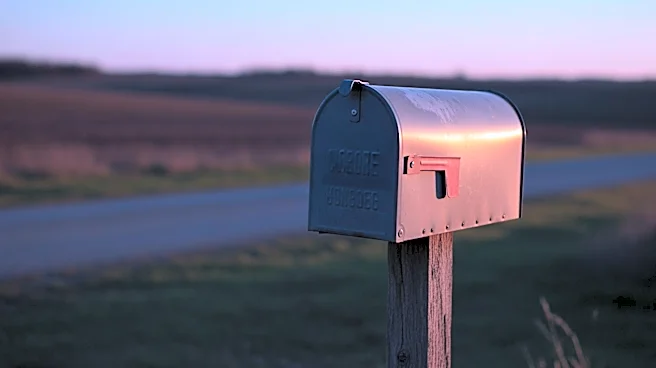
billion, primarily due to a decline in first-class mail usage. The agency, which funds itself through stamps and service fees, is considering service cuts and slowdowns as potential solutions. This financial instability poses significant risks, particularly for rural homeowners who rely heavily on mail services for essential deliveries such as prescription medications and legal documents. In rural areas, where homeownership rates are higher and internet access is limited, the potential reduction in mail services could have severe consequences.
Why It's Important?
The financial troubles of USPS could have widespread implications, especially for rural communities in the U.S. where mail services are a lifeline for many residents. Older homeowners in these areas, who often depend on mail for receiving medications and handling financial transactions, could face significant challenges if service cuts occur. The potential reduction in mail services could also impact property values in rural areas, as reliable mail delivery is a critical factor for homebuyers. Additionally, small businesses that rely on USPS for shipping products and handling contracts may experience delays, affecting customer trust and cash flow. The situation underscores the need for congressional action to prevent disruptions that could disproportionately affect vulnerable populations.
What's Next?
Without intervention from Congress, USPS may be forced to implement service reductions, including fewer delivery days and potential post office closures in low-volume areas. These changes could exacerbate the challenges faced by rural communities, particularly those with limited access to alternative delivery services. The future of USPS and its ability to continue providing essential services will largely depend on legislative decisions in the coming months. Stakeholders, including rural residents, small business owners, and policymakers, will need to advocate for solutions that address the financial sustainability of USPS while ensuring continued service to underserved areas.