

What's Happening?
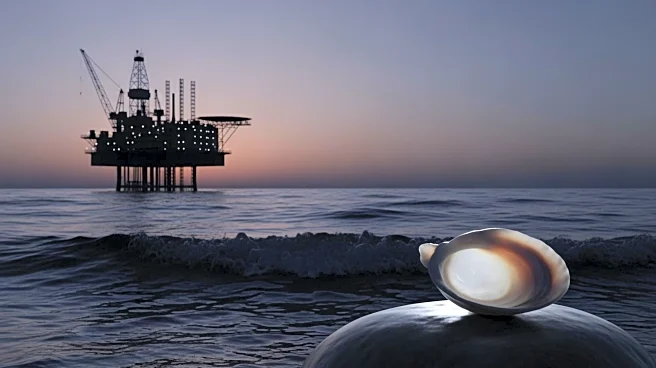
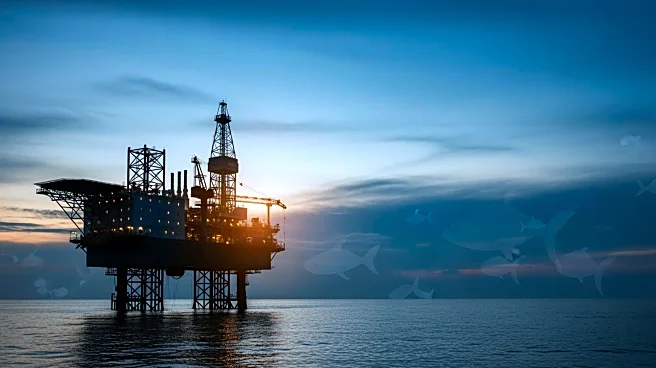
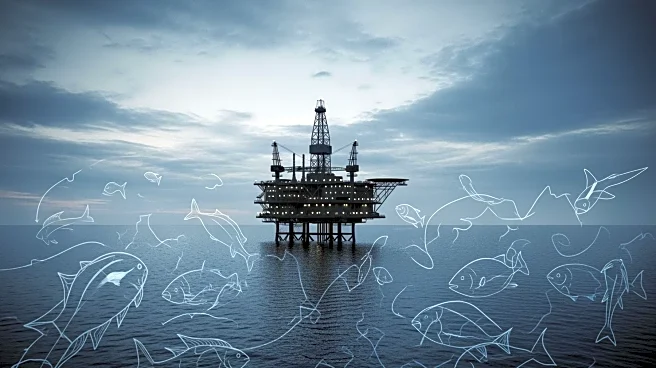
The Endangered Species Committee, a rarely convened panel of senior U.S. federal agency leaders, has voted to exempt oil and gas drilling in the Gulf of Mexico from extensive endangered species protections, citing national security reasons. This marks
the first time in over 30 years that the committee, known as the 'God Squad,' has met, and it is the first instance of granting an exemption for national security. The decision was made following a voice vote by the committee members, which include the Secretary of the Interior, Secretary of Agriculture, Secretary of the Army, and other high-ranking officials. The exemption allows for continued drilling activities in the Gulf, despite potential risks to endangered species.
Why It's Important?
The exemption has significant implications for environmental policy and energy production in the U.S. It highlights the ongoing tension between economic interests and environmental conservation. By prioritizing national security and energy independence, the decision may lead to increased oil and gas production in the Gulf, potentially boosting the economy and reducing reliance on foreign energy sources. However, it also raises concerns about the potential impact on endangered species and marine ecosystems, sparking debate among environmentalists, policymakers, and industry stakeholders. The decision could set a precedent for future exemptions, influencing how environmental regulations are applied in the context of national security.
What's Next?
The exemption is likely to face legal challenges from environmental groups and could prompt further scrutiny of the committee's decision-making process. Stakeholders may call for increased transparency and accountability in how such exemptions are granted. The decision may also lead to discussions on balancing energy needs with environmental protection, potentially influencing future policy and regulatory frameworks. As drilling activities continue, monitoring and mitigation measures will be crucial to minimize environmental impact and protect vulnerable species in the Gulf.