







What's Happening?
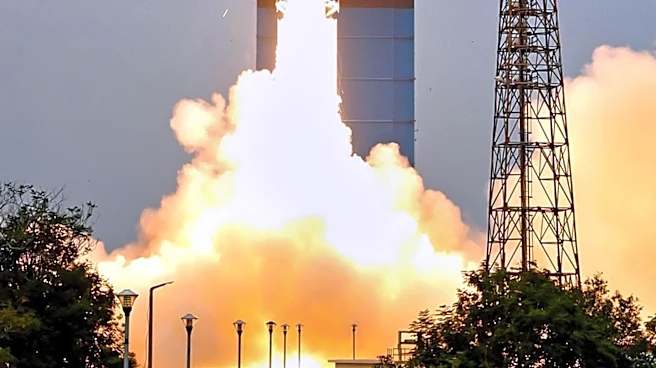
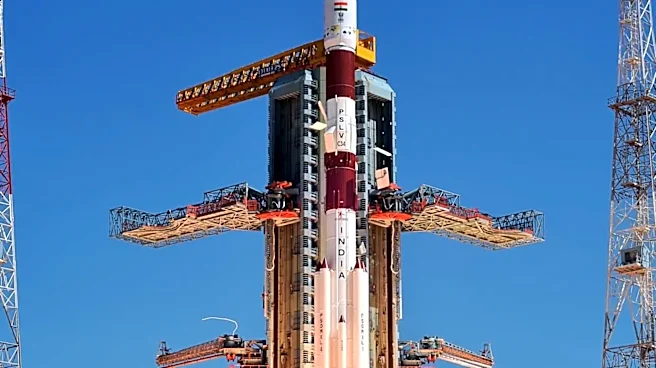
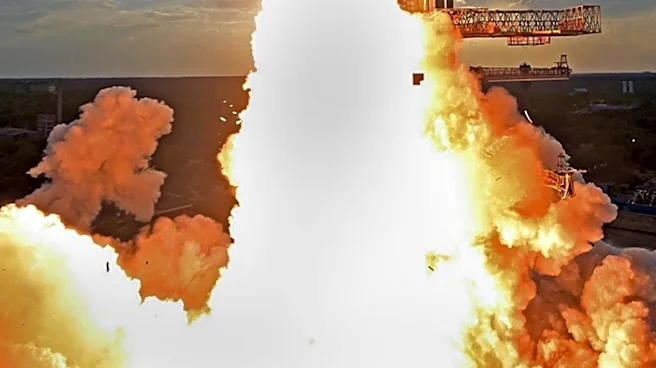
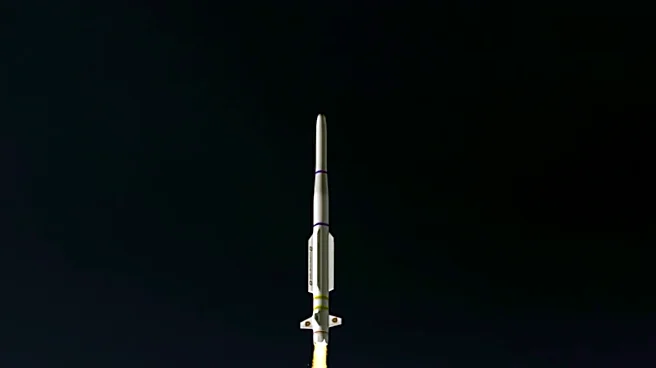
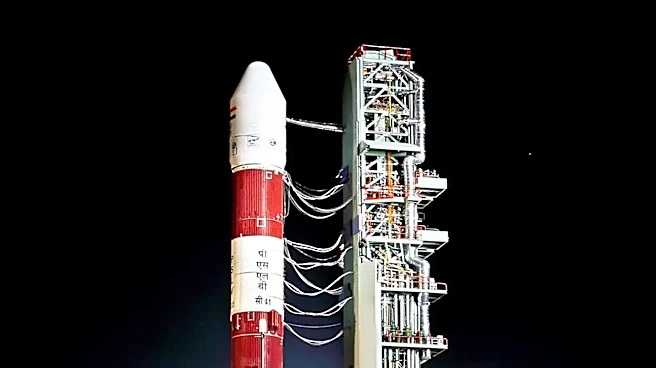
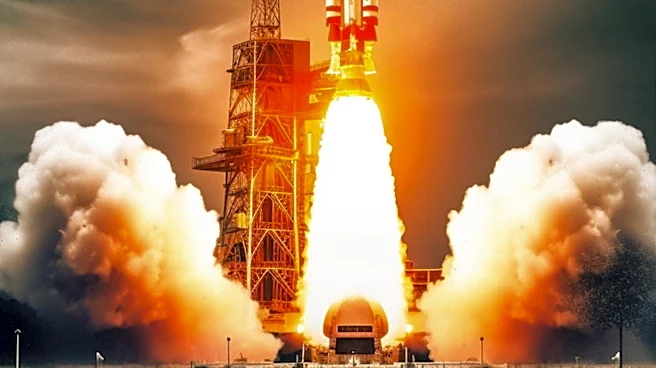
Skyroot Aerospace successfully launched its Vikram-1 rocket on July 18, marking a significant milestone as the first commercial Indian rocket to reach orbit. The launch took place at 2:35 a.m. Eastern from the Satish Dhawan Space Centre, following a 35-minute
delay due to a technical issue. The rocket's three solid-fuel stages performed as expected, and the liquid-propellant kick stage successfully placed the rocket into a 450-kilometer low Earth orbit. This mission, named Mission Aagaman, carried two cubesats and hosted payloads from various companies. Skyroot's co-founder and CEO, Pawan Kumar Chandana, expressed elation at the success, highlighting the achievement as a historic moment for both the company and India's space sector.
Why It's Important?
The successful launch of Vikram-1 represents a pivotal moment for India's burgeoning commercial space industry. It underscores the country's growing capabilities in space technology and its potential to become a significant player in the global space market. The mission's success is also a testament to the supportive role of the Indian government and space agencies like ISRO and IN-SPACe in fostering commercial space activities. This achievement could attract further investment and interest in India's space sector, potentially leading to more innovations and collaborations in the future.
What's Next?
Following the successful launch, Skyroot Aerospace plans to conduct a series of test flights before commencing commercial operations. The company aims to launch up to two more Vikram-1 rockets this year and is working on scaling up production and developing a larger vehicle, Vikram-2. These efforts are part of a broader strategy to enhance payload capacity and expand the company's market presence. The continued support from Indian space agencies and the government's reforms will likely play a crucial role in these future endeavors.