




What's Happening?
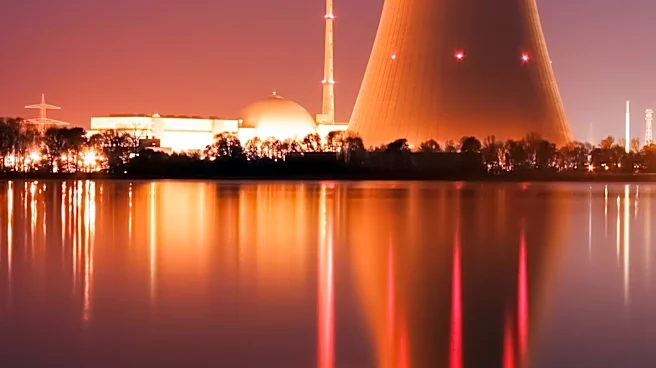
Greece has officially commenced a structured process to evaluate the potential role of nuclear energy in its future energy strategy. This move marks a significant shift, as nuclear energy transitions from mere discussion to a formal assessment. The Greek
government has established a Government Committee for Nuclear Energy, which will function as the country's Nuclear Energy Program Implementing Organization (NEPIO). This committee has entered Phase 1 of the International Atomic Energy Agency (IAEA) Milestones Approach. Phase 1 is designed to lay the technical, institutional, and strategic groundwork necessary for Greece to make an informed national decision regarding the launch of a nuclear energy program. The IAEA provides extensive support and a formal process for countries considering the introduction of nuclear power, with approximately 30 nations currently engaging in this framework.
Why It's Important?
This development is important for the U.S. and the global energy landscape as it signifies a growing international interest in nuclear power as a viable energy source. For the U.S., which is a major player in nuclear technology and services, Greece's decision could open avenues for collaboration and export opportunities in the future. The IAEA's involvement underscores the international commitment to safe and secure nuclear energy development, aligning with U.S. non-proliferation goals. As more countries, particularly in Europe, explore nuclear options to enhance energy independence and meet climate targets, it could influence global energy markets and technological advancements. The move by Greece reflects a broader trend among nations seeking diversified and stable energy supplies, potentially reducing reliance on fossil fuels and contributing to global decarbonization efforts.
What's Next?
The immediate next step for Greece involves the comprehensive work of the Government Committee for Nuclear Energy within Phase 1 of the IAEA Milestones Approach. This phase will focus on detailed technical, institutional, and strategic assessments. The committee will be responsible for gathering data, conducting feasibility studies, and developing a robust framework for a potential nuclear energy program. Following the completion of Phase 1, Greece will be in a position to make an informed national decision on whether to proceed with the development of nuclear power. This decision will likely involve further engagement with the IAEA and potential international partners for technology transfer, financing, and regulatory support. The progress of Greece's evaluation will be closely watched by other nations considering similar energy transitions.
Beyond the Headlines
Greece's formal exploration of nuclear energy carries deeper implications beyond immediate energy policy. It highlights a potential shift in the European Union's energy mix, as member states increasingly consider nuclear power to achieve climate goals and enhance energy security, especially in light of geopolitical instabilities affecting traditional energy supplies. This move could also influence public perception of nuclear energy, potentially fostering greater acceptance as more countries adopt it. Ethically, the decision will involve careful consideration of long-term waste management and safety protocols, areas where the IAEA's guidance is crucial. Culturally, it represents a departure from past energy strategies and could signify a broader embrace of advanced technological solutions for national development and environmental stewardship. The long-term success of Greece's initiative could serve as a model for other nations contemplating nuclear power.