



What's Happening?
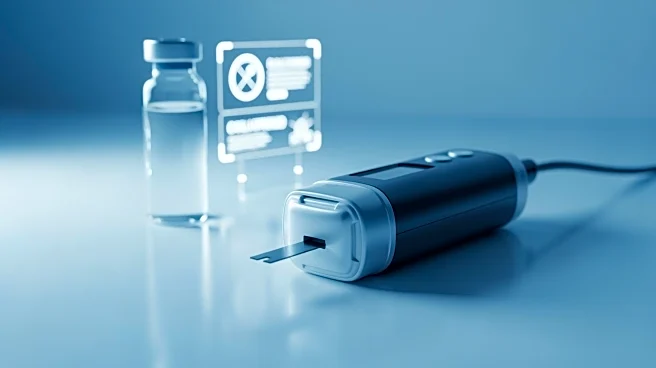
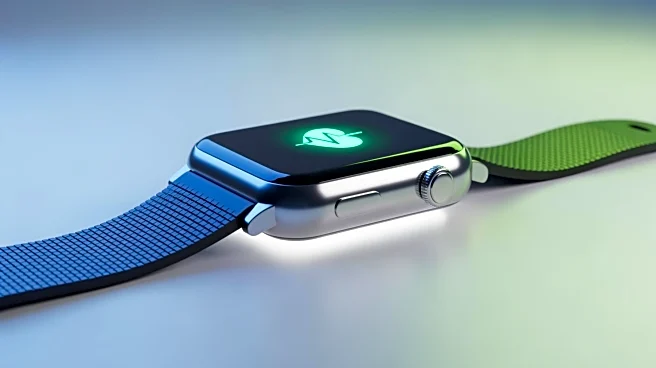
Wearable technology, such as Apple Watches and Fitbits, is increasingly being integrated into healthcare systems in the U.S. A recent survey by the National Institutes of Health indicates that nearly one in three Americans uses a wearable device, with
over 80% willing to share their data with clinicians. Health systems are investing in wearable device programs to gain continuous insights into patients' health, monitoring metrics like heart rate and glucose levels. However, the influx of continuous data presents challenges, including operational complexity and the need for new technology infrastructure. The FDA's recent decision to limit regulations on health-promoting wearables has further spurred interest in these devices.
Why It's Important?
The integration of wearable technology into healthcare has the potential to transform patient monitoring and care delivery. By providing real-time health data, wearables can improve patient outcomes and enable more personalized care. However, the challenges associated with managing large volumes of data and the need for new infrastructure could strain healthcare systems. The FDA's regulatory stance may encourage further innovation and adoption of wearables, impacting companies like Garmin and Medtronic. As healthcare systems navigate these changes, the balance between technological benefits and operational feasibility will be crucial.
What's Next?
Newsweek is hosting a webinar to discuss the return on investment for health systems using wearable technology. The event will feature experts from WHOOP, Northwell Health, and Withings, discussing the clinical and financial impacts of wearables, data management, and operational investments. The conversation will also explore how reimbursement models and value-based care influence the business case for wearables. This discussion could guide healthcare leaders in making informed decisions about expanding or scaling back wearable device initiatives.